


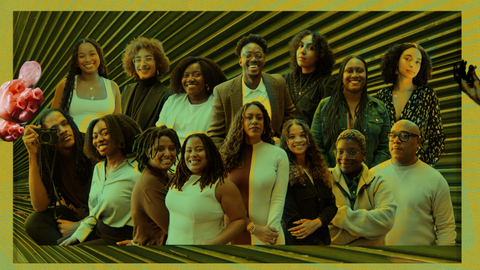
The SoulFolk Collective is a research group working to understand and better the Black experience in Madison.
On a sunny day in August, I sat in the backseat of Brian Benford’s Honda Hybrid while he drove us down South Park Street in Madison, Wisconsin. In the passenger seat next to Benford sat Curtis O’Dwyer, then a third-year doctoral student in curriculum and instruction. Before the trip began, I had snuck an allergy pill because tucked up next to me panted Duke Ellington, a German Shorthaired Pointer, who would occasionally whine and pause his heavy breathing to rest his head on my shoulder. While Benford, a former alderman, drove around Madison, he shared stories about the inspiring education happening in the local community centers, as he has worked every community center in the city of Madison since he moved here in 1979.
This go-along interview was part of my first research project as a new faculty member in the Department of African American Studies at UW–Madison. Over this past summer, my research team, The SoulFolk Collective, conducted 75 interviews with Black Madison residents to understand which places are Black-affirming in the capital city. Participants had the opportunity to choose a go-along interview style, where they drove us to their chosen sites to share space and stories with us, or a traditional face-to-face interview. We spoke to residents as young as 11 and as wise as 95 and endeavored to hear from the diverse and beautifully complex range of the Black diaspora. In addition, as the historical archive has historically excluded Black folks, the traditional interviews are accessible on the Wisconsin Historical Society website. On our lab website (soulfolkcollective.com), you can interact with a map of Madison and hear why Black residents chose these spaces. Understanding and collecting the experiences of my community members has been the root of my being for the last 20 years.
People are also reading…
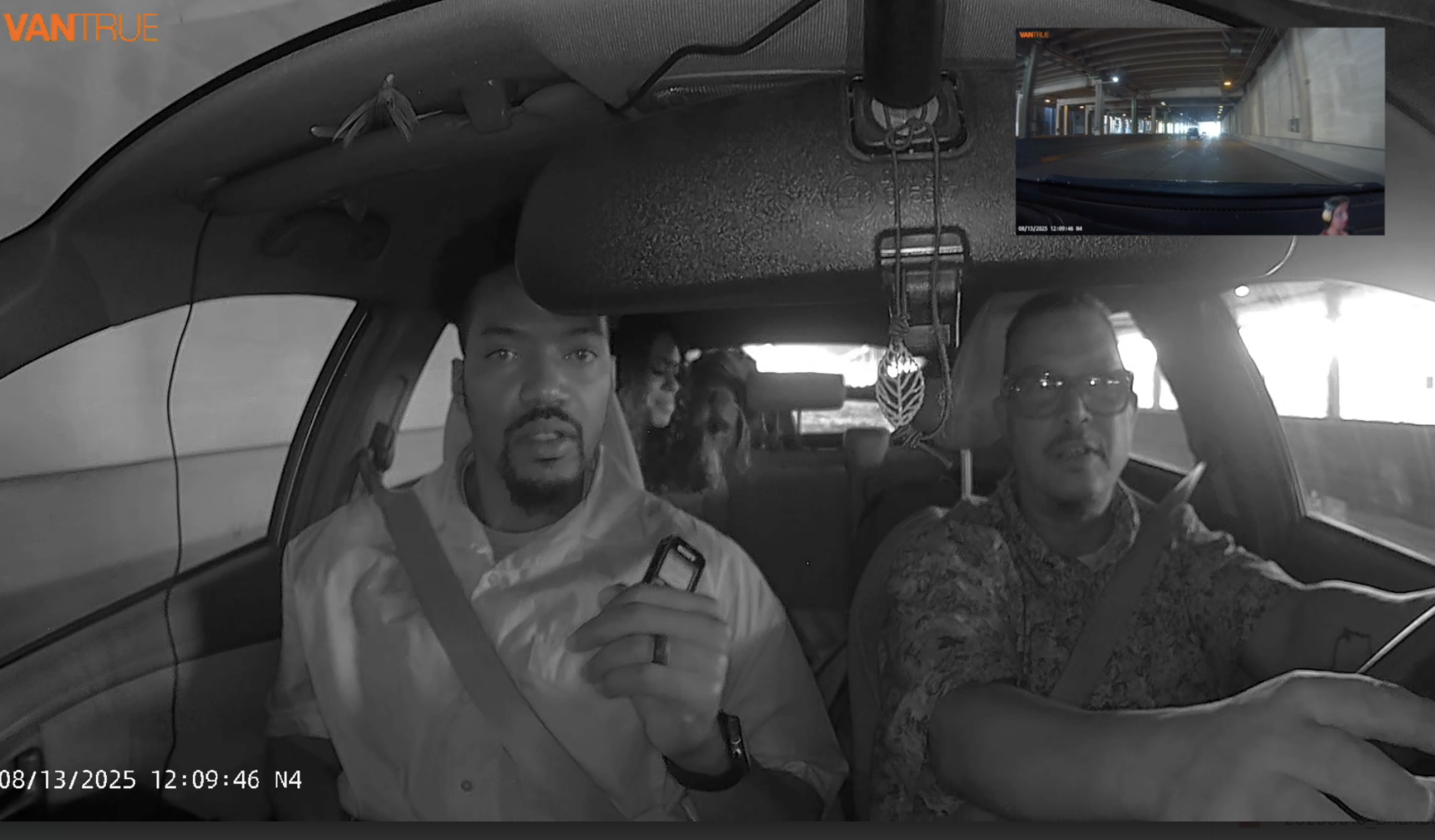
Research efforts include ride-alongs with Black Madison residents who share meaningful locations around the city, like in this drive with Brian Benford.
In 2002, I was a bright-eyed UW–Madison freshman who huffed up to the top of Bascom Hill to meet with the provost. I was the diversity committee intern of the Associated Students of Madison (ASM), the student government. There, I was the Speak Up campaign chair: I gleaned stories and testimonials of harassment and discrimination at UW–Madison to implore the administration to take action to improve campus climate. Twenty-three years later, as a faculty member, in most ways, this is my dream job. Yet, I notice how little the campus climate has changed. The school’s Black student population has never risen above 3%, and Black students tell me about the racial isolation and microaggressions they face. Returning meant that place-making in Madison would take intentional co-creation of the affirming learning environments that all students at UW–Madison should experience.
Last year, with the support of the most incredible undergraduate and graduate students, we created The SoulFolk Collective, which we affectionately call “SoCo.” Drawing inspiration from W.E.B. DuBois' seminal work, The Souls of Black Folk, we are a family of qualitative researchers dedicated to conducting community-engaged and solution-based research that centers Black voices in our scholarly inquiry. We conduct research in the language of hope, tending relationships and trust with the community and each other. I have learned hope from the careful cultivation of stories from the Black community in Madison. From Benford, I learned about the UW Odyssey project, which has been transforming lives by removing economic barriers to education. I also learned that he is still searching for a place to really call his own. Across interviews, Madison residents mentioned temporary Black-centered spaces, like Juneteenth or Africa Fest, but that implementing regular programs and spaces in Madison has historically been a struggle.
Motivated by these stories and our investment in education, I am collaborating with SoCo to create the SoulFolk Saturday School, a Freedom School program for high school students that we will pilot in January 2027. As I taught high school English for 11 years, I am energized by the opportunity to create learning opportunities that center Black histories and joy, to co-create radically generative spaces for Black students to bring all of who they really are. As I reflect on what it means to make a home in Madison, I think back to my 2002 self, anxious to use stories as a catalyst to make the campus and community better for all. When I walk across the bottom of Bascom Hill on my way to my office, I reflect on the work The SoulFolk Collective is doing. I know I am still here, grappling with this radical place-making work, but now with a collection of students who inspire me.
—
About the Author
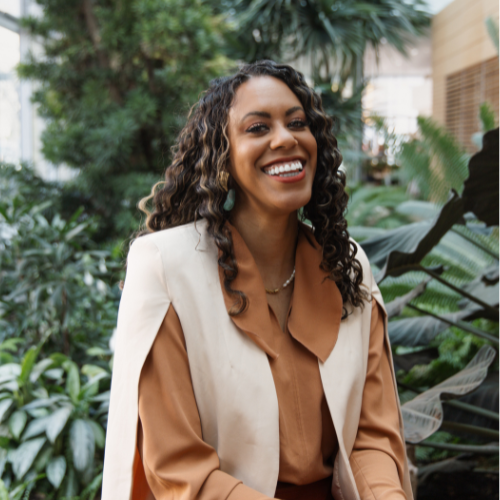
Jessica Lee Stovall is an assistant professor of African American Studies at UW–Madison, where she also holds affiliate positions in curriculum and instruction and education policy studies at UW–Madison’s School of Education. As the director of The SoulFolk Collective, her qualitative research lab rests at the intersection of Black Studies and Education. Stovall is an alumnus of UW–Madison, earning her bachelor’s in education in 2007.


