
I started teaching at UW–Madison in 1996. At the time, I had been focused on Mixtec, a Mexican Indigenous language, but wanted to find something closer to home. So, when I moved to Wisconsin, I started looking around, trying to make contacts. Eventually I met the late, great Ada Deer, a groundbreaking Menominee leader, activist and educator who reshaped Native American policy and representation in the United States. She took me to the Menominee Reservation, and my heart has been there ever since.
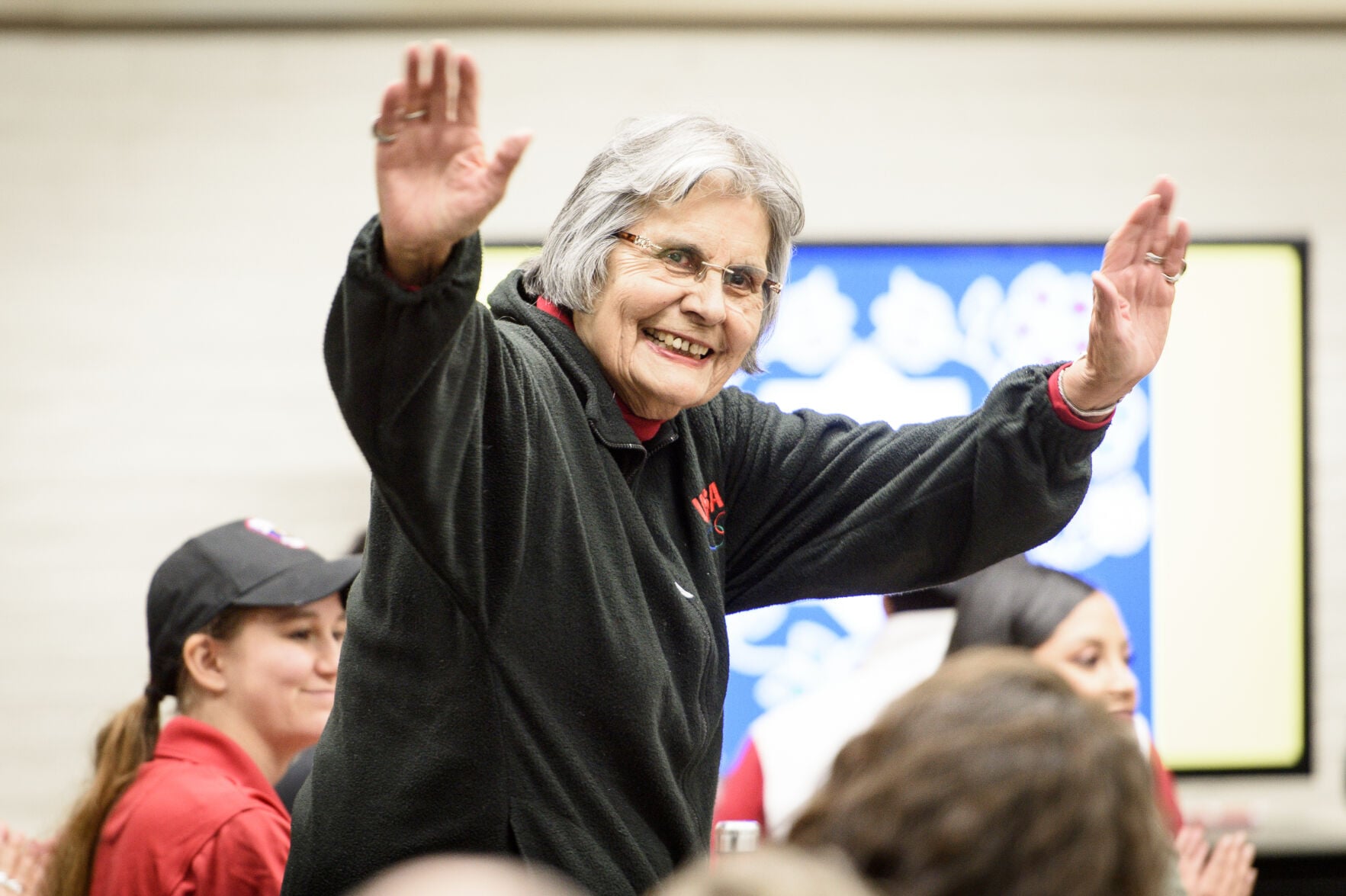
Menominee leader, activist and educator Ada Deer introduced Monica Macaulay to the Menominee Reservation. Macaulay is now partnering with the tribe to revitalize their language.
It’s a common misconception that linguists run around judging people’s grammar (we don’t!). What we actually focus on is the scientific study of language. Specifically, I’m a morphologist, meaning that I’m a word nerd. Researching Native American languages is an ideal specialty for someone like me, because most of these languages use long, complex words that can take a full English sentence to translate. Unfortunately, most of these languages are highly endangered, and many no longer have any of the first-language speakers still alive.
People are also reading…
There are lots of reasons that Indigenous languages become endangered. A major factor in the U.S. and Canada was the appalling assimilationist policies of the government and various missionary groups. But linguists like me have not, historically, been much help either. For a long time, linguists thought the incredible multiplicity of Native languages was doomed, and their goal was just to get as much down on paper as fast as they could. But we finally started listening to the people whose languages we study, and now we (or at least most of us) understand that the most important action is to partner with communities and respond to their needs and wishes concerning their languages.
And the thing that makes me the happiest is that I’ve seen the narrative transition from one of doom and gloom to one of hope. The Menominee are a phenomenal case in point. There is likely only one remaining elder first-language speaker — and she’s 99 years old. But for years now the Menominee have been training adults to speak the language in an innovative immersion format. Each cohort spends about a year using the language together as much as they can. Their teacher starts out with the basics and builds up to more complex constructions. Of course it’s hard at first, but with time it gets easier and easier. They’re making new speakers! One couple who went through the program has two children, and they’re trying to raise them in the language. Menominee baby talk can now be heard on the reservation for the first time in almost a century.
“Pōsōh Māwanew Weyak” translates to “Hello Everyone”
One of the most exciting developments has been the establishment of a non-profit called Menomini yoU, housed in the beautiful Wāqsecewan Language Campus. The founders, Muqsāhkwat (Ron Corn Jr.) and Kcheyonkote (Burton Warrington) offer language classes, sponsor language and culture-related events and continue to train adults using immersion methodology. An overall goal is “normalization,” that is, creating an environment where use of the Menominee language in public spaces is once again the norm and not surprising or exceptional.
My role in the work has transitioned, too. Back when there were several first-language elders still alive, I worked with them, documenting the language. I wrote numerous scholarly papers on topics in the language but also helped create dictionaries and other learning materials. In the last couple of years, in addition to helping out where I can, I have focused on writing a grammar of the language. I finally have a full draft and am starting the editing process. The goal of the grammar is to present the structure of the language in a way that language teachers and other non-linguists can understand. To borrow a phrase from the Breath of Life language revitalization program, I’m trying to provide “grammar without tears.”
Overall, I am extraordinarily fortunate to have spent the last 25 years in the company of the Menominee people. I think of it as my post-PhD education because they have taught me to use my skills in the service of the needs of their community. I look forward to continuing to learn from them. As Muqsāhkwat says in his TEDx Talk, “Language is the key to everything.”
—
About the Researcher
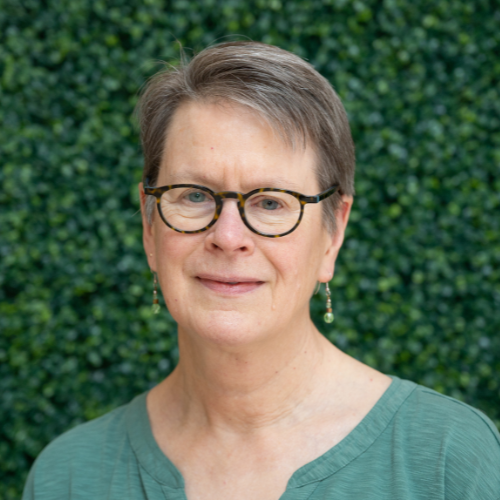
Monica Macaulay is the Ada Deer Professor of Language Sciences at the University of Wisconsin–Madison and the co-director of the Wisconsin Indigenous Languages Lab. Her research specialties include morphology, American Indian linguistics and language revitalization.