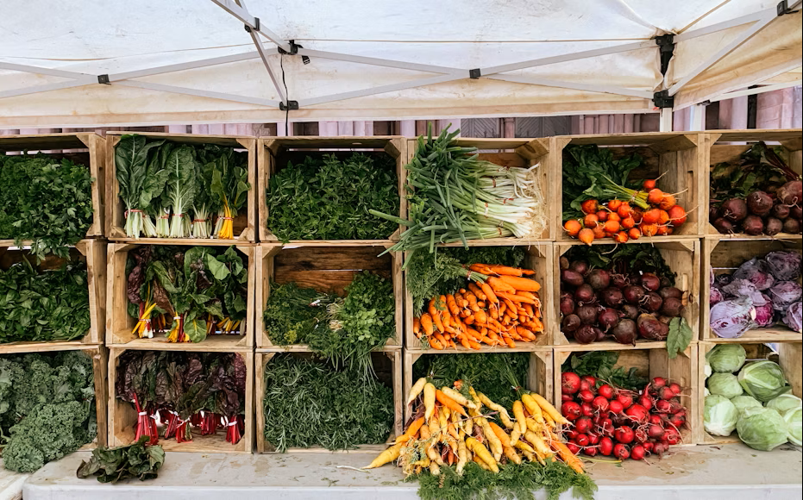


This research is working to support Wisconsin farmers and community farmers markets.
Since 2011, a team of UW–Madison researchers and community collaborators have secured $5.3 million in U.S. Department of Agriculture (USDA) and National Science Foundation (NSF) funding to support local food systems and farmers markets around the country. About $2 million of that came directly to Wisconsin, especially supporting the central parts of our state. These projects increase access to healthy food by expanding the use of Supplemental Nutrition Assistance Program (SNAP) dollars at farmers markets. Now, with support from the Wisconsin Department of Health Services, we are leading a statewide effort to expand these benefits across the state.
Let me share how this work began.
I joined UW–Madison 21 years ago, when my spouse Manuela Romero was hired to lead a statewide initiative to increase bachelor’s degree attainment among underrepresented domestic students in STEM fields. Since starting, I have dedicated my career to amplifying the voices and impact of farmers and farmers markets across Wisconsin, throughout the United States and internationally.
People are also reading…
In 2008, I served on an expert team advising the newly formed Farmers Market Coalition. We surveyed 8,000 farmers market managers nationwide to better understand their needs. Their primary request was clear: They needed tools for data collection to help tell compelling, evidence-based stories about the economic, ecological and community impact of local food systems. From 2011 to 2014, I used a $500,000 grant from USDA to develop what is now Farm2Facts in collaboration with the Farmers Market Coalition, student employees and UW–Madison’s Teaching & Research Application Development office. This toolkit has since been used in 20 states by hundreds of farmers markets, equipping market managers and organizations with the tools to measure and communicate their impact.
Across rural and urban communities alike, we have consistently observed limited access to healthy food. Through our partnerships, we have helped communities better understand how local farmers and markets strengthen local economies and improve food access. Wisconsin markets began adopting Farm2Facts in 2016, starting with Fond du Lac. In 2018, we expanded into Central Wisconsin. Over the past seven years, our work has helped improve access to healthy food, support entrepreneurship and empower market leaders to communicate their value within their communities.
Associate Professor Edna Ely-Ledesma joined my department in 2019 and became part of the Kaufman Lab (named in honor of a late colleague) in 2021. Together, with more than 100 student alumni from the lab, we have supported farmers markets across multiple states, expanding healthy food access while evaluating and strengthening market programming. Ely-Ledesma is now the director for the lab, co-leading with the healthy retail state specialist for the UW–Madison Division of Extension, Kelly Hammond, a statewide effort to incentivize farmers market purchases in ways like successful programs in Michigan, Minnesota and Illinois.
As for me, I continue to lecture across Wisconsin through Badger Talks, as well as nationally and internationally, on the importance of local food systems, farmers markets and vendor entrepreneurship. With students in my lab, we have expanded opportunities in food and farm entrepreneurship and strengthened pathways for economic mobility.
Most recently, we are developing a new software platform: Food Equity Access Simulation Technology (FEAST). Creating this tool involves students, stakeholders across Wisconsin and the UW–Madison Data Science Institute. The tool will help local governments and organizations, such as Feeding America, model the impacts of corporate and policy decisions on food access. For example, FEAST can simulate the effects of grocery store closures or changes to SNAP benefits. It can also model how retail shifts, such as Kwik Trip expanding local food offerings, affect food availability within communities.
I am especially proud of the students I have had the privilege to support. And there are countless examples of alumni pushing this work forward after graduation and exemplifying the impact of leadership in this field, including Chloe Green (assistant director for policy at the American Public Human Services Association), Lauren Suerth (lead strategy consultant for American Family Insurance), Dantrell Cotton (director of talent development at Attentive), Lihlani Skipper Nelson (deputy director of the Center for Agriculture and Food Systems at Vermont Law and Graduate School), Michael Stein (chief counsel to the House Agriculture Committee Washington, D.C.) and Lindsey Day Farnsworth (assistant dean and director of the Community Development Institute at the University of Wisconsin Division of Extension).
I hope those who read this feel pride in this great university and in the remarkable students and collaborators who make this work possible. Together, we are helping farmers, markets and communities become more entrepreneurial, more food secure and more resilient.
—
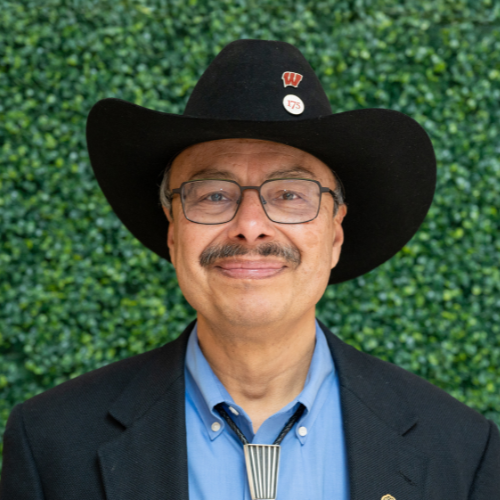
About the Researcher
Alfonso Morales has worked his entire career in food systems and public marketplaces. He is a Vilas Distinguished Achievement Professor in the Department of Planning and Landscape Architecture at UW–Madison, and he is interested in applying science to support society and to help produce social goods.