



When Sarada Weber began her teaching career 27 years ago in California, there was no mentor waiting to guide her through the challenges of her first year in the classroom.
There, much of the learning happened through trial and error. Classroom management, lesson planning, family communication and the hundreds of decisions teachers make each day were often left for new educators to figure out on their own.
Now, across the country in MMSD, Weber helps ensure the newest teachers do not have to navigate those challenges alone.
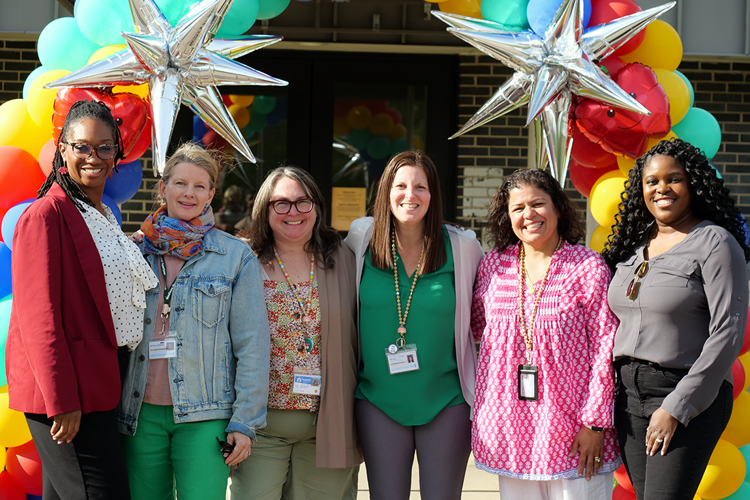
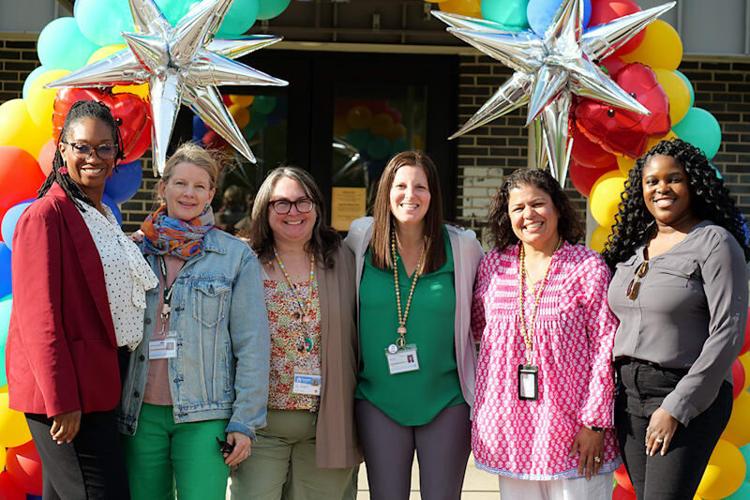
One of six full-time mentors in the district, she works alongside first-year educators, providing coaching, feedback and encouragement through one of the most important years of their careers. As her years of teaching experience grew, and especially after the pandemic, Weber saw how important it was to help early career teachers.
People are also reading…
“My early teaching experience absolutely shaped me as a mentor,” Weber said. “Teaching requires hundreds of decisions, big and small, all day, and sometimes, it can be overwhelming. It's my job to help clear the terrain so teachers can focus on high-quality instruction with strong expectations for all students.”
In 2014, MMSD revamped its mentor programming to focus not only on the social emotional support previously led by retired teachers, but instructional mentoring as well. Since then, the program has helped hundreds of new teachers each year build confidence, strengthen their practice, develop professionally and find a sense of belonging in their school communities.
“The essential component is that we are helping teachers get better faster to serve kids,” Lachele Fisher, executive director of professional learning, said. “We’re leaning into a mission that all teachers can become effective teachers of all kids, and all kids can be successful.”
Mentoring begins before the school year even starts. New educators participate in New Educator Orientation, where they learn about the district, connect with colleagues and begin building relationships that will support them throughout the year.
To make that support as meaningful as possible, mentor pairings are carefully matched each August. MMSD's mentor team reviews incoming staff and considers factors such as teaching experience, licensure, school assignment and individual needs before connecting new educators with a mentor.
Some first-year teachers are paired with one of the district's full-time mentors, who support cohorts of schools organized by feeder patterns and work with multiple new educators throughout the year. Others are paired with school-based mentors — experienced teachers who continue teaching full time while mentoring a new colleague in their building.
Each model offers unique benefits. School-based mentors can provide guidance rooted in the day-to-day realities of a specific school community, while full-time mentors bring an outside perspective and specialized coaching expertise.
Regardless of the model, mentors and mentees meet regularly through classroom observations, coaching conversations and collaborative problem-solving focused on student learning and professional growth. There is also a strong emphasis on helping new teachers find a sense of belonging in their school.
In addition to the mentor-mentee relationship, the program gives a unique opportunity for new educators to build relationships with each other. Throughout the year, the cohort comes together at New Educator Seminars, led by the mentors.
“It’s a chance to continue that community they built on day one and to learn together,” Fisher said. “They discover a wide range of topics that are specifically planned and geared toward new teachers.”
New survey data from the current cohort of new educators details what the most impactful parts of mentoring have been: having a dedicated person to go to, not feeling alone or isolated, reflecting on teaching, and talking, debriefing and problem solving with their mentor. It also showed 98% of this year’s new educators plan to return to MMSD in the fall.
Weber knows first-hand what that impact of the mentoring program can look like in practice. This year, she worked with a new teacher who was struggling to engage a student who frequently arrived late to class and seemed disconnected from learning. During a coaching conversation, Weber encouraged the teacher to think differently about the student's behavior.
“I told her he was waiting for her to give up on him, but that your job is to never give up on him.”
Months later, the teacher shared that she had carried that message with her throughout the year.
“I remembered what you said, Sarada,” the teacher told her. “I wasn't going to be the one to give up on him.”
For Weber, that moment reflected the deeper purpose of mentoring.
“When I see teachers take feedback and try, reflect and try again, I know I'm doing my job,” she said.


