



Growing research shows that healthy lifestyle choices are an important way cancer survivors can reduce their risk of recurrence. But knowing where to start can be difficult, especially with treatment side effects that can affect things like taste and range of motion.
UW Health | Carbone Cancer Center offers healthy lifestyle support services that can address the quality-of-life needs of cancer survivors. For those who are not sure where to start, or feel overwhelmed by the idea of big changes, these programs offer structured, encouraging support with practical steps.
"When you have cancer, everything feels out of your control, but what we do have control of is our lifestyle," said Brianne Thornton, program manager of Lifestyle Medicine at UW Health. "So, if we can make that effort to prioritize nutrition, activity, sleep and stress management, we're doing what we can to stay healthy and live a good quality of life as well."
People are also reading…
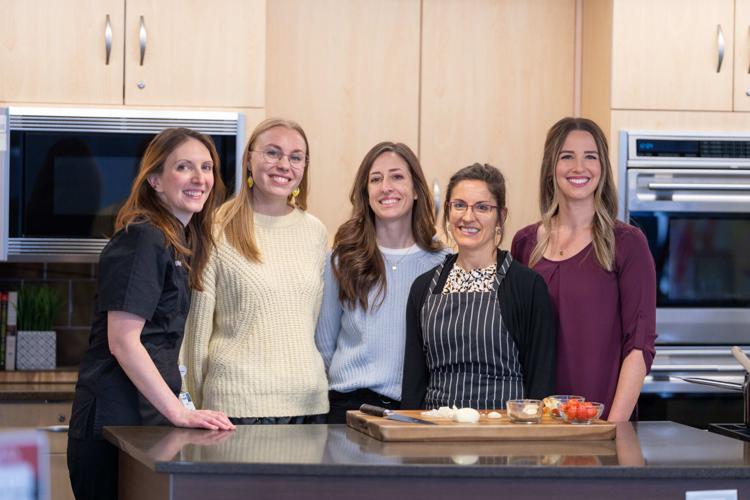
Thornton and Taylor Johnson, program manager of Culinary Medicine at UW Health, will be sharing healthy lifestyle advice and resources for cancer survivors during the upcoming UW Health | Carbone Cancer Center Fall Cancer Conference on Oct. 23 at Monona Terrace. This year’s event is themed around cancer survivorship topics, and we welcome the public to join. Register at ce.icep.wisc.edu/cancer2026.
Addressing taste, appetite changes
The UW Health East Madison Hospital Learning Kitchen hosts open classes that include general healthy meal ideas as well as topics specific to cancer nutrition and dealing with side effects. UW Health Culinary Medicine also partners with Gilda’s Club Wisconsin to host free cooking classes for their members twice a year.
Patients receiving certain cancer treatments can experience symptoms like nausea, difficulty swallowing and lack of appetite. It can also change how taste buds react to certain flavors, and those effects can last months after treatments end.
"We talk a lot about flavor alterations," said Johnson. "Another hard part of treatment is finding textures that are pleasant."
Johnson suggests trying a range of different flavors, even those outside of your usual comfort zone, to help find foods that are appealing to altered taste buds. It is also helpful to break down recipes by ingredient to see where substitutions can be made.
Patients experiencing nausea or disinterest in food can try eating smaller, more frequent meals and avoiding foods that take longer to digest, such as high-fat foods. Rethinking how meals are prepared can also help, such as ensuring the kitchen is well ventilated to offset cooking odors and swapping out metal utensils if a patient is struggling with metallic taste side effects.
The Learning Kitchen also offers ideas for quick meals for patients exhausted from treatments, and base meals that can be easily adjusted after preparation to fit the tastes and caloric needs of other household members as well.
Prioritizing wellness
Survivors who have finished active treatments can get a referral from their provider to the program at UW Health. Their yearlong intensive program supports anyone who wants help making lasting changes to their wellbeing through nutrition, activity, sleep and stress management. The group dynamic also helps with motivation.
"You know someone is going to check in with you the following week, and they care about how you’re doing," Thornton said. "You really develop that strong relationship with each other in the group, and you know you have support."
Activity can be challenging for cancer survivors because of treatment impacts on muscle tone and range of motion. Thornton said program participants receive a yearlong membership to the YMCA of Dane County with access to trainers as well as smart equipment that personalizes a strength training circuit for you.
Start small
Thornton advises people to focus on small, achievable goals that they can fit into daily activities. Drink an extra glass of water a day. Take a five-minute walk. When you achieve these small changes, set new incremental goals.
"In order to build confidence and ability to succeed, you have to start really small and see where you can succeed," she said. "Those small changes really add up."


