


After the terrorist attacks of Sept. 11, 2001, a grieving nation pledged to never forget. Twenty-five years later, communities across the United States continue to make good on that promise. At the University of Wisconsin–Madison, student groups often mark the anniversary date by placing American flags on Bascom Hill in honor of the victims of the attacks in New York, Washington, D.C., and Pennsylvania.
For those who were on campus in 2001, the events of 9/11 and the days that followed left an indelible mark. In a time of great uncertainty, fear and mourning, thousands of UW–Madison students, faculty and staff rallied together in support of each other and their fellow Americans. Community members gathered on Library Mall for a National Day of Remembrance, donated blood for the injured, penned letters to the victims’ families, and transformed the classroom into a space of processing and deeper understanding of the events. It was, in many ways, the best of a university in the worst of times.
People are also reading…
Below, in photos from that time, we remember.
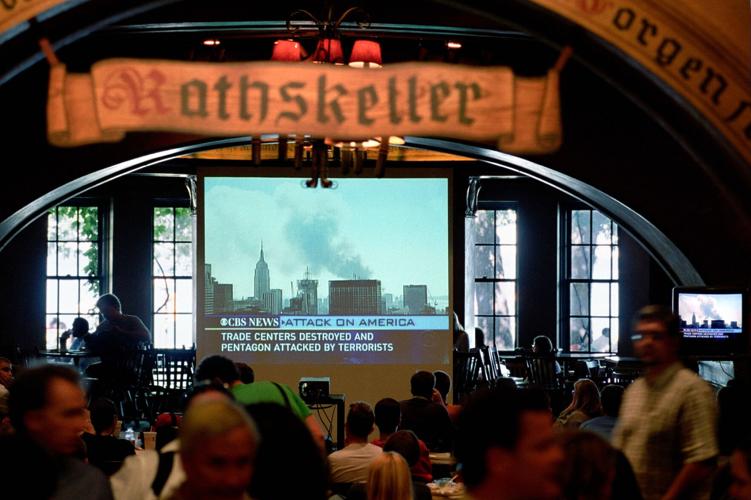
In stunned silence at the Memorial Union’s Rathskeller, the UW–Madison community watched as the events of Sept. 11, 2001, aired on TV news broadcasts.
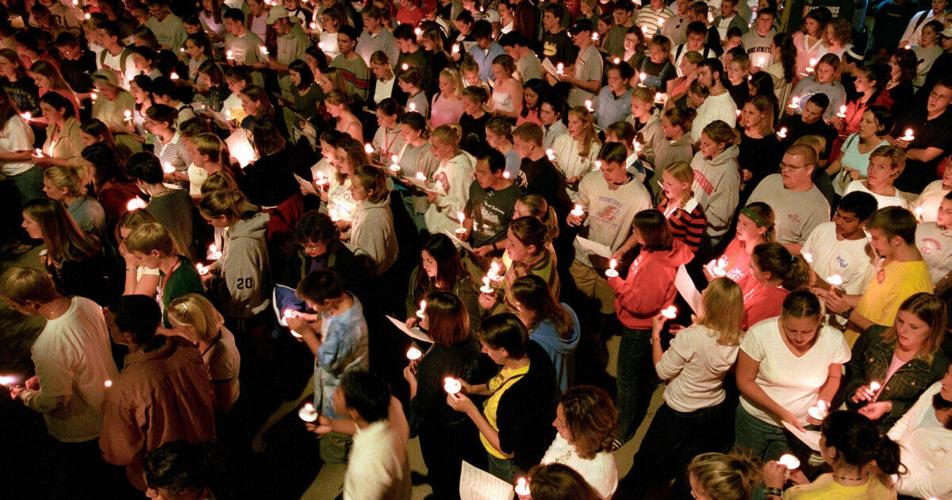
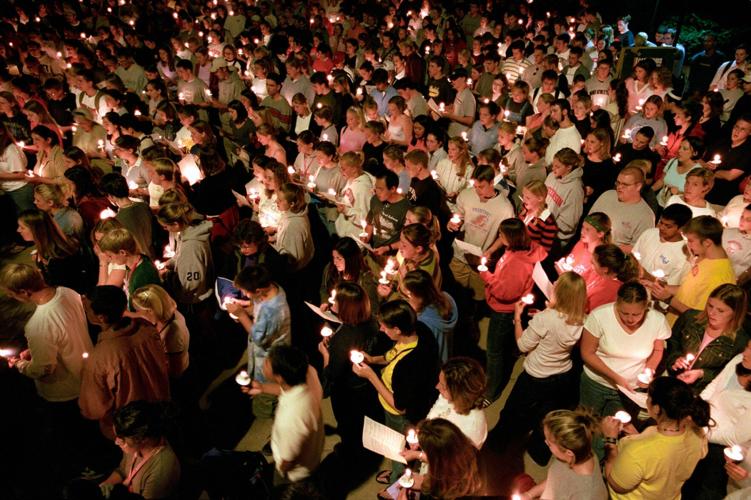
On the evening of Sept. 11, under commemorative candlelight, more than 1,000 campus community members joined an interfaith vigil on Library Mall.
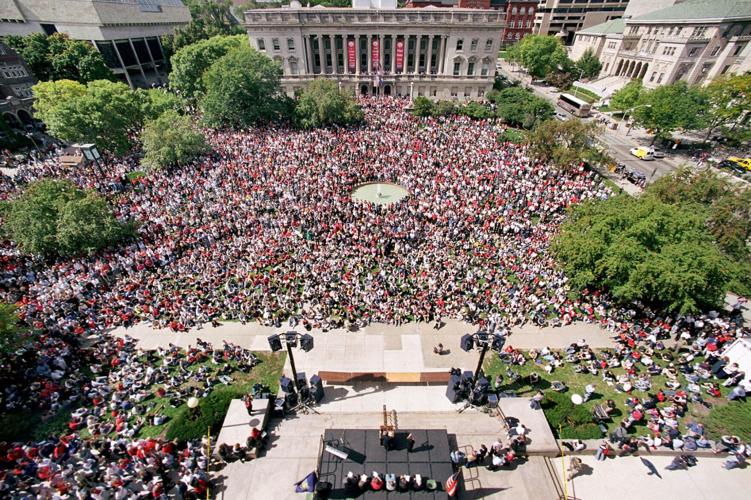
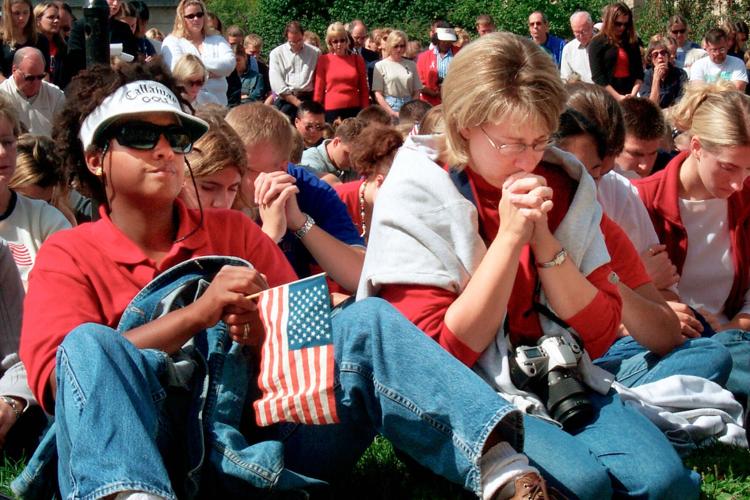
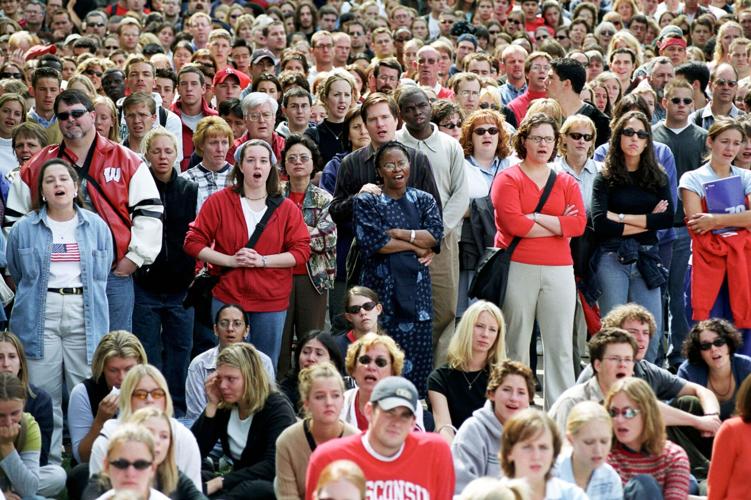
Three days later, on Sept. 14, some 20,000 students, faculty and staff gathered at Library Mall for a local observation of the National Day of Prayer and Remembrance.
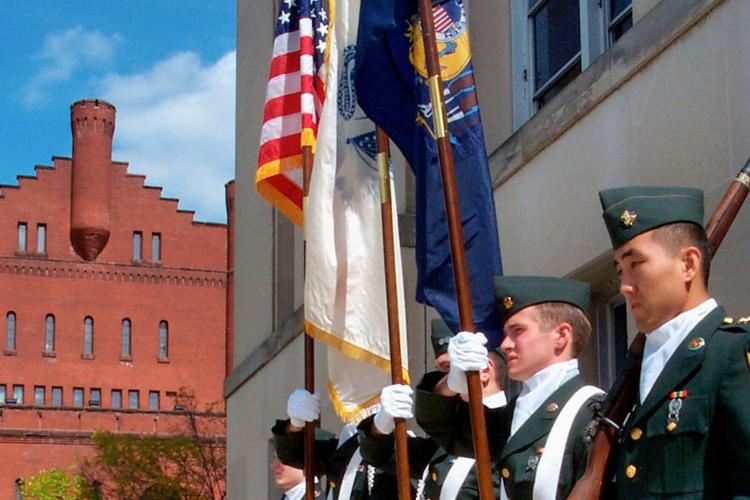
UW–Madison Army ROTC members presented the American flag and paid their respects during the ceremony.
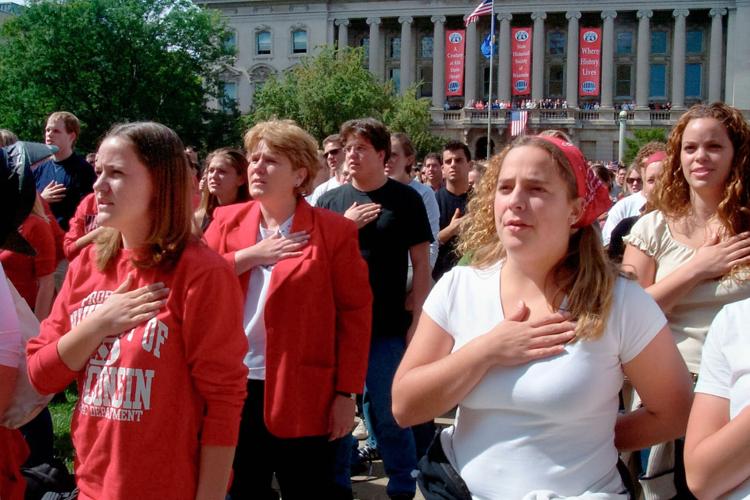
Attendees recited the Pledge of Allegiance at the top of the program.
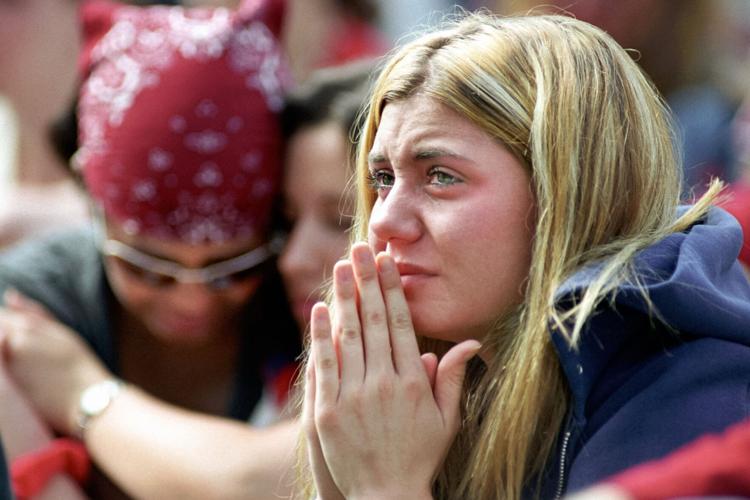
Emotions poured out during the ceremony on Library Mall.
A moment of silence remembered the victims of the 9/11 attacks.
A powerful rendition of “We Shall Overcome” rang out over Library Mall.
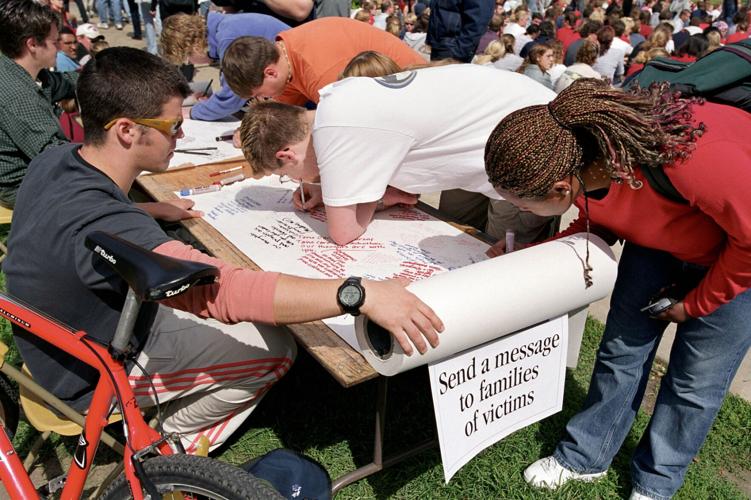
During the event, attendees wrote heartfelt messages to be delivered to the families of victims.
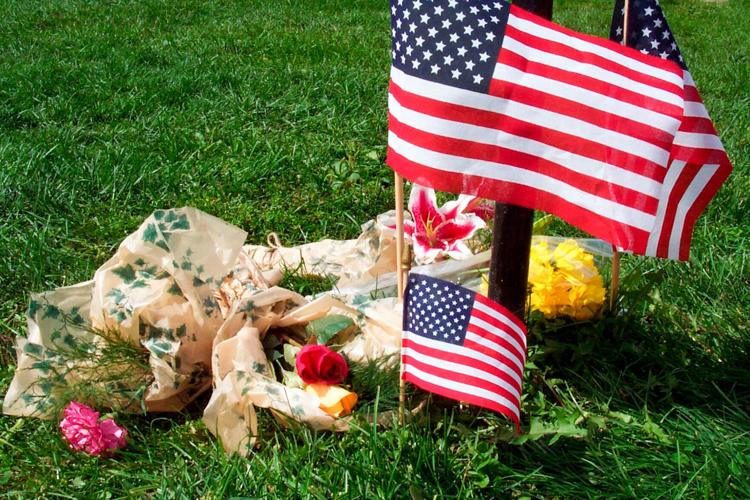
They also left behind tributes in the form of flags and flowers.
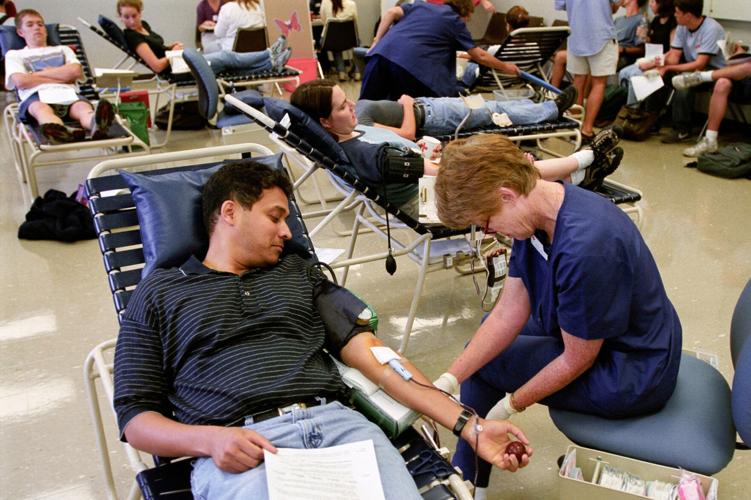
Hundreds of campus community members rushed to donate blood in the aftermath of the attacks, including at a center run by the American Red Cross at the old Union South.
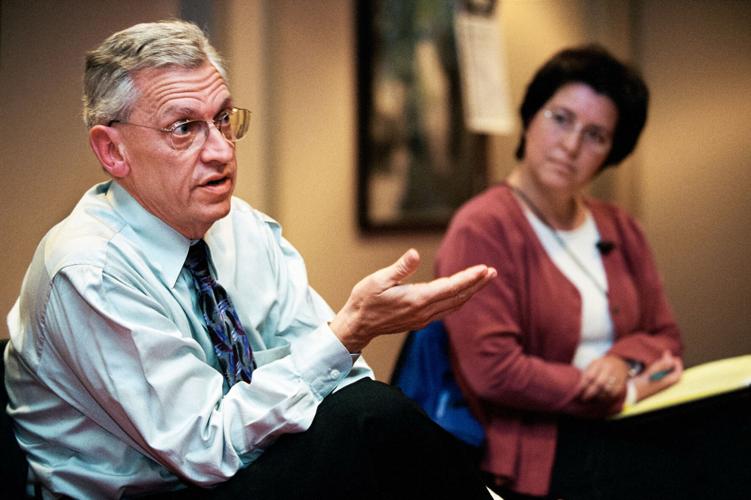
In the weeks following the events, UW–Madison leaders, including then-Chancellor John Wiley, held listening sessions to ensure that everyone on campus felt safe and supported.
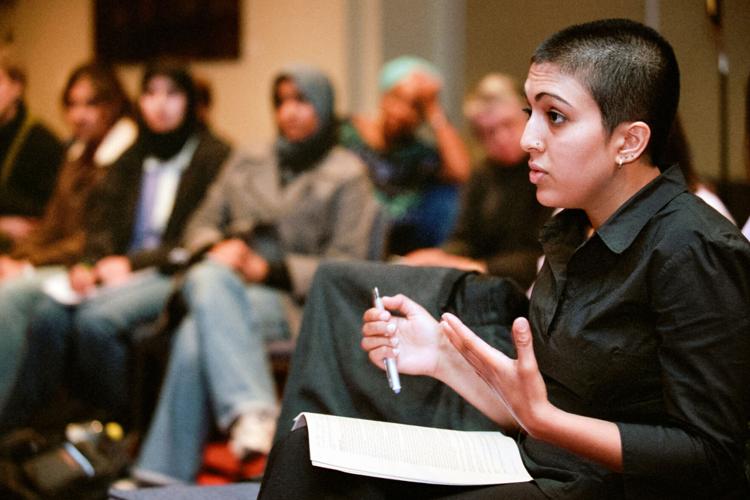
During the listening sessions, community members shared their perspectives and experiences on campus since the events.
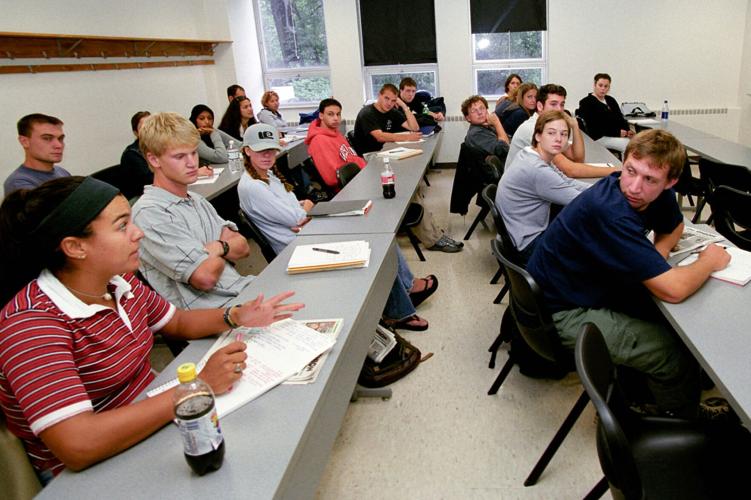
Throughout the fall semester, UW–Madison instructors adjusted their coursework, including in the “Anthropology of War” class, to help their students process and better understand the events as they looked to the future.


