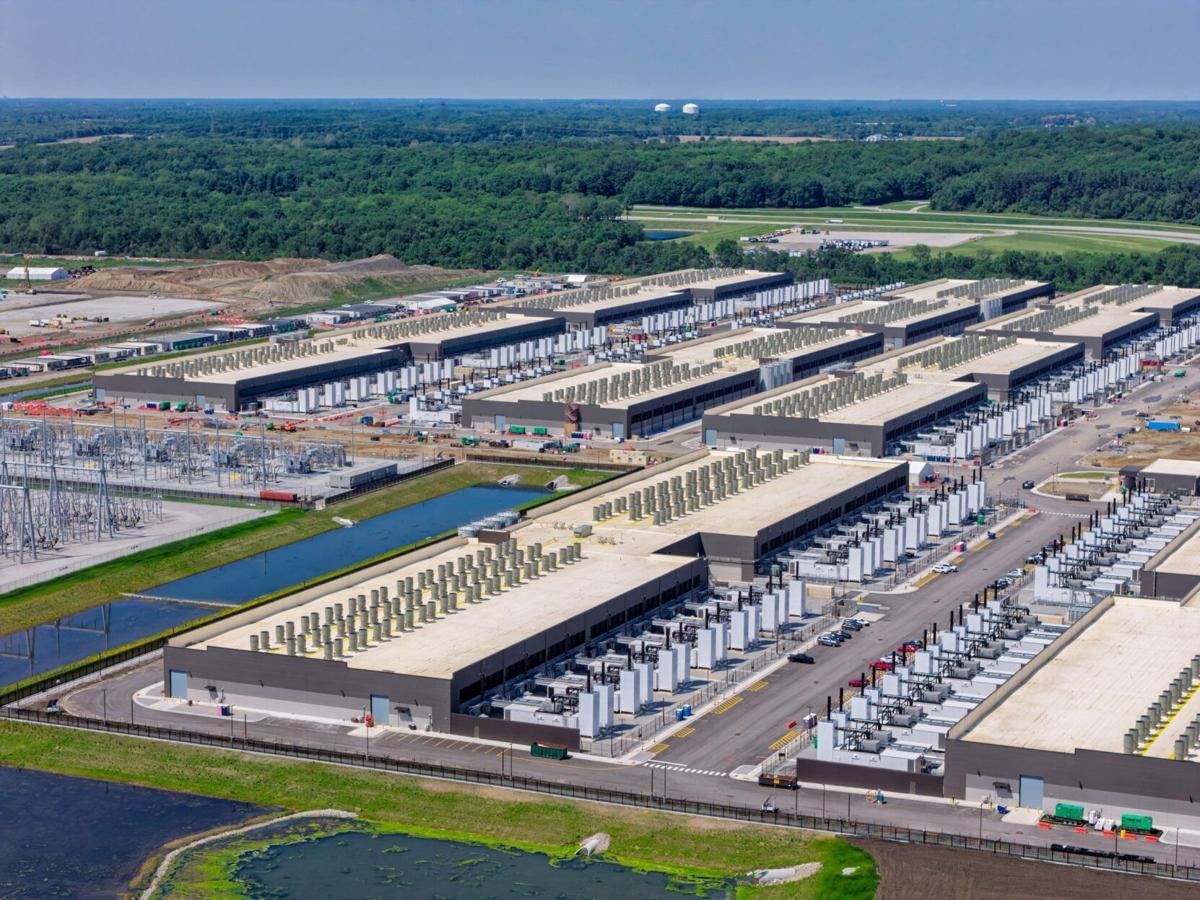
In its meeting Thursday, the Public Service Commission of Wisconsin did not take up a petition to reopen its AI data center tariff case. Because the PSC did not take action, the petition will be denied by operation of law on Friday.
The case determined a special rate structure, or tariff, for AI data centers in the We Energies service territory, and it could be used as a blueprint for future data center tariffs in other parts of the state.
“The Public Service Commission did the right thing when it created this special rate structure for AI data centers, and it’s doing the right thing now by rejecting the petition,” says Clean Wisconsin attorney Brett Korte. “This is about protecting We Energies’ other customers—families, small businesses, schools, manufacturers—and shielding them from the risks associated with these enormous energy users.”
In its May decision, the Commission told We Energies that its AI data center customers must meet strict credit and collateral requirements to ensure they can cover the cost of new power plants and other infrastructure being built to meet surging data center energy demand. We Energies joined forces with tech companies behind the Port Washington AI data center to challenge that order.
“We Energies, Vantage, Cloverleaf and Oracle want to lower the collateral required because Oracle may have trouble meeting those requirements. This shows the high risks that providing utility service to Oracle entails, and it’s exactly why the protections adopted by the Commission are necessary,” Korte says.
A recent draft report from the Commission notes that energy demand in Wisconsin is expected to balloon by 40% in the next six years driven largely by just three AI data centers.
We Energies currently has five new methane gas burning power plants either proposed or under construction. The utility has said it expects to double its electricity generation capacity in just the next five years as AI data centers come online.
In Wisconsin, AI data centers are resulting in new and expensive fossil fuel generation, which will cause lasting environmental and health harms. Meantime, the companies claim the new tariff requirements could “narrow the pool of investors” for AI data center projects in Wisconsin.
This content is sourced from
Clean Wisconsin
. It reflects the author's views and has not been edited by our newsroom. It may have been generated using AI assistance.