MADISON, Wis. – On June 20, 2026, the Wisconsin Department of Natural Resources (DNR) celebrates the 80th anniversary of the Northern Highland Fishery Research Area (NHFRA), one of the longest-running fisheries research projects in the world.
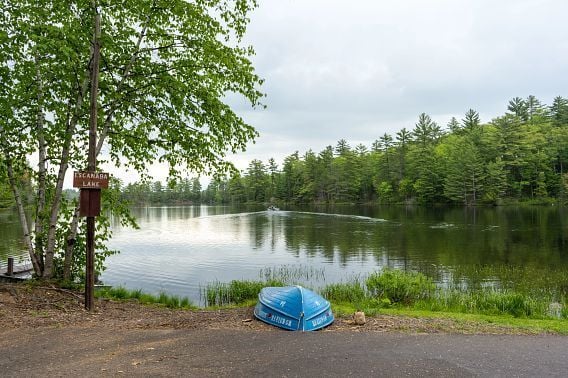
Located in Vilas County and including the Northwoods lakes of Escanaba, Nebish, Pallette, Spruce and Mystery, the NHFRA has been a leader in inland fisheries research for decades. Since its creation in 1946, the NHFRA has conducted scores of research projects in service to fisheries management priorities and the advancement of conservation science.
Originally established to better understand the impact of anglers on fish populations, the NHFRA has included a mandatory angler creel survey on all five lakes since its inception. This requirement created a detailed dataset of every angler who has fished the lakes and every fish legally harvested from them over the past 80 years, providing an unprecedented record of fish populations and angling trends.
While the required angler creel survey continues, NHFRA projects have expanded in scope in recent years. For example, its lakes have been used to test regulations on length limits, bag limits and gear restrictions for several Wisconsin species.
Current research projects
Determining how the added habitat of “fish sticks” – trees submerged near the shoreline – may affect fish populations
Testing how the use of forward-facing sonar, a controversial technology, affects harvest and angler behavior
Simulating shifts in seasonal ice coverage to learn how lake ecosystems will respond to anticipated climate changes
Evaluating how fluctuations in water levels may affect walleye habitat and spawning
Investigating how ecosystems adapt in lakes where walleye populations are declining compared with lakes that have stable numbers of walleye
In addition to conducting impactful scientific research that informs DNR fisheries management and policy, the NHFRA provides skills training and job opportunities for early-career fisheries professionals.
Additionally, the NHFRA works closely with colleagues at the Great Lakes Indian Fish & Wildlife Commission and other regional and national organizations to further evidence-based scientific understanding while continuing to attract research scientists from across the state and far beyond thanks to its decades-long reputation as a hub for inland fisheries research.
This content is sourced from
Wisconsin Department of Natural Resources (DNR)
. It reflects the author's views and has not been edited by our newsroom. It may have been generated using AI assistance.