
A new grant is aimed at getting rural Wisconsinites into teaching jobs, as rural school districts face challenges getting trained educators into their classrooms.
Just about half of the students in Wisconsin’s K-12 schools are in rural districts, and getting teachers into classrooms can be a challenge, especially in areas of aging or declining population. But educators say the real challenge isn’t training, it’s keeping teachers in their communities.
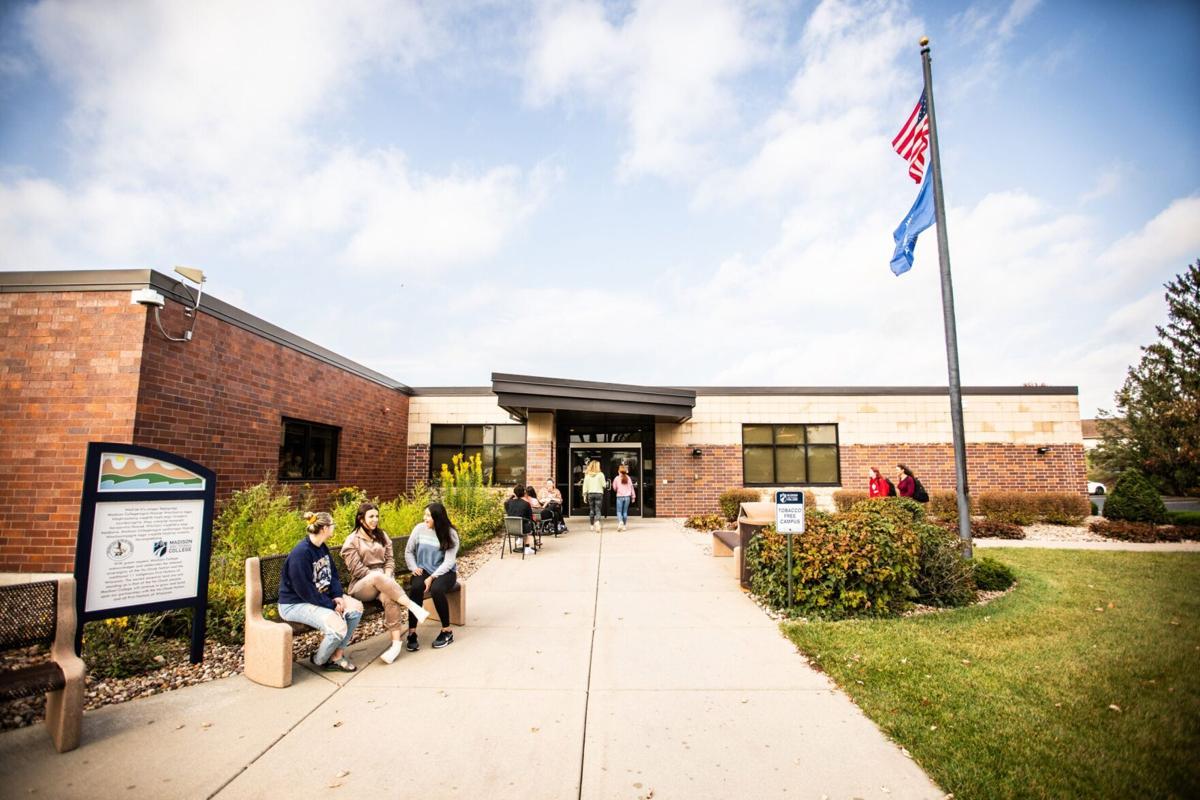
Madison College created a plan to help reach rural folks who could become teachers. It’s called the Education Pre-Major University Transfer Program. And the new $156,000 Wisconsin Technical College System Career Pathways Grant will help expand the program’s reach.
People are also reading…
Penny Johnson, who runs the school’s Education Department, says the program makes the education pathway local and flexible, identifies open spaces for teachers in districts near where students already live and focuses on recruiting small-town residents to work at rural schools.
She calls it an exciting change across Wisconsin. In the past, teacher recruiting was focused on luring recent big-city graduates to try rural living.
“Now, we’re coming around to saying ‘Oh, we have these students already invested in their rural communities, let’s leverage that,’” Johnson said, noting more than a quarter of Madison College students live outside of Dane County.
The school’s plan for the grant is to support exploration, attract new students — and expand classes onto its Reedsburg campus near Wisconsin Dells.
“They don’t know how to start their path to a teaching career at our rural campuses, and so the grant is crucial,” Johnson said.
Many of the students already have lives and commitments, and heading out of town for a degree isn’t always the first choice, according to Johnson.
“It means uprooting everything — they might be supporting parents or have children of their own,” she said. “They are established in their community, and so it really does mean this big upheaval.”
The grant will let students explore, visit major universities to finish their degree and support the teacher pipeline.
The two years at Madison College keep students close to home while attending school, Johnson said. A third year at a bigger school may require time away, but by the fourth year most teachers-in-training are back home doing student teaching.
And Madison College says their students stay in school.
In their last graduate survey, 78 percent of new teachers planned to stay and work in the district they were in — and 86 percent of their grads were staying in Wisconsin.
“So we’re not dealing with brain drain or people leaving the state,” Madison College’s Regional Dean Shawna Marquardt says.
And Johnson says Wisconsin isn’t just short on kindergarten teachers — rural schools need educators with many skills.
“It’s actually such a variety, right? Someone who’s going to be a music teacher is completely different from an elementary ed major,” Johnson explained.
Shop teachers are in particularly high demand across the state, according to Johnson, due to the expertise and different skills required.