


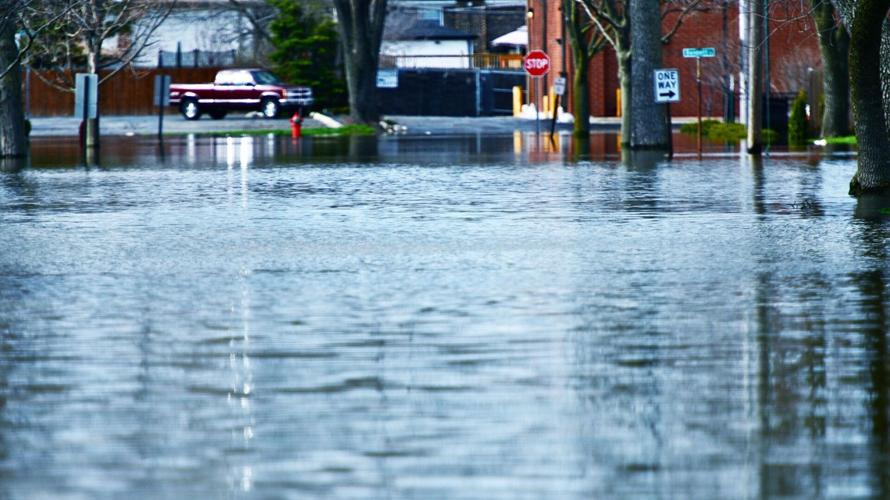



Felice E. Green, a long-time resident of the Sherman Park neighborhood in Milwaukee and an environmental justice community leader, reflects on the 1 in 1,000-year flood event that struck Milwaukee on August 9 and 10, 2025, an event that left lasting damage but also revealed the strength and resilience of the Milwaukee community.
“By the time the sun came up, it was clear that the rain that had fallen overnight was not just a bad storm. It was historic. Up to 14 inches had come down in parts of the city in roughly 24 hours — the second-most rainfall Milwaukee had ever recorded in a two-day period. Lincoln Creek, which runs through the heart of the north side, was flooding. Streets that had been ordinary residential blocks the night before were rivers by morning,” said Felice.
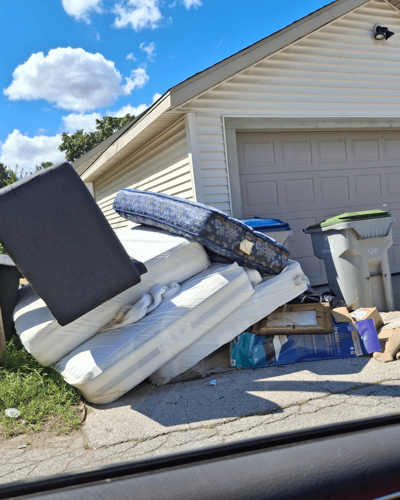
“My folks’ basement took on several inches of water. They had to throw out basement furniture. Personal belongings they had kept for years were soaked, contaminated, destined for the curb. More than 80 percent of their items could not be saved. They also had to replace their hot water heater — at a cost of $1,100 plus installation, money they had not planned to spend.”
People are also reading…
Felice’s parents were not alone. Many others in their community and across the region were left to deal with destruction left behind by the storm.
“My friend Maxie Addison, a retired Milwaukee Public Schools teacher and longtime voting rights advocate, has lived in her home in the Lincoln Park neighborhood for 16 years. Water had gotten into her basement too, but she did not have the same problem my parents did. At 79 years old, with mobility challenges that made the basement stairs too risky to manage alone, she had no choice but to wait for help. The August 2025 flood was one of the worst she had experienced there. She was left with mold… and a clean-up bill she had to cover herself.”
Felice’s stories show that the August 2025 flood was more than a single extreme weather event. These lived experiences demonstrate the importance of elevating community voices during climate emergencies and highlight a broader pattern of vulnerability, resilience and need for action.
According to the Wisconsin Department of Health Services, floods are the most common and costly natural disaster in Wisconsin, and climate change is expected to make flooding events more frequent by bringing heavier rainfall and more unpredictable weather patterns. Felice’s experiences show that flooding can damage homes and also create serious health risks.
In the short term, floods can lead to health risks like drowning, electrocution, hypothermia and exposure to contaminated water carrying sewage-related pathogens. Residents may also lose access to medications, medical equipment or health records. Long term, these events can leave behind mold that contributes to asthma and other respiratory conditions, contaminate drinking water and create significant financial strain. The stress of recovery can also impact mental health, contributing to anxiety, trauma and uncertainty about the future.
More importantly, these impacts are not felt equally. Communities that already face economic, environmental or health disparities are often hit the hardest and take longer to recover. For neighborhoods like Sherman Park or areas near Lincoln Creek, repeated flooding exacerbates existing challenges, making it more critical that solutions are rooted in equity and community input.
“This is the part of the story that doesn’t always make it into the official record,” Felice said. “And it matters, especially in Black and brown communities that have learned, often out of necessity, how to take care of each other when the systems that are meant to help move too slowly or not at all. That kind of resilience is not a consolation prize for being underserved. It is a real strength, built over generations of having to be the safety net for each other. It deserves to be named as exactly that — not as proof that everything worked out, but as evidence of what this community has always been capable of, with or without help from anyone else.”
Even in the face of this emergency, the Milwaukee community witnessed something very powerful — neighbors showing up for one another. Felice recounted what that looked like in her neighborhood.
“When I look back at everything the storm took, I also think about what it built. And that’s the power of community. People showed up for each other. Neighbors who hadn’t said much more than a wave to each other in years were suddenly side by side in someone’s flooded basement, hauling out ruined furniture, running shop vacs, tearing up soaked carpet. People who couldn’t clean out their own basements — elderly residents, people with mobility limitations — had family, friends and sometimes complete strangers from down the block show up with gloves and trash bags, asking for nothing in return.”
These moments of togetherness are a reminder that while the impacts of climate change are growing, so is the strength of the community. As Milwaukee continues to recover from the August 2025 flood, this “1 in 1,000-year” event has become a turning point. It has sparked renewed urgency to improve recovery efforts, expand resources and invest in long-term resilience. Residents, advocacy groups and organizations across the city want to prepare neighborhoods for future storms and to ensure that community voices guide solutions.
Organizations such as Clean Wisconsin, the Milwaukee Metropolitan Sewerage District, the Milwaukee Health Department, the Milwaukee Environmental Collaboration Office, Safe & Sound, TRUE Skool, the Blue Green Alliance and many others are prioritizing flood resilience and climate preparedness.
Felice’s story is just one of many. There are countless others across Milwaukee who experienced the flood in different ways, each with lessons that can inform policy change and drive more effective action. Read more about Clean Wisconsin’s resiliency and storytelling efforts, including the Milwaukee Justice Strategy Blitz on the cover of this Defender issue.
We know there are more voices that need to be heard. If you were affected by the 2025 flood and feel inclined to share your story, we invite you to do so by contacting us at info@cleanwisconsin.org. Your experiences can help shape the solutions we need to better protect our communities moving forward.


