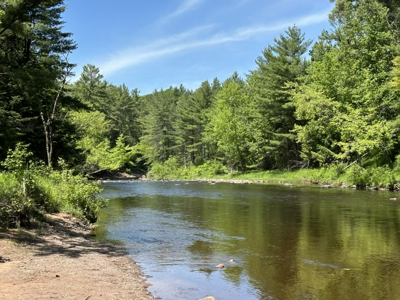

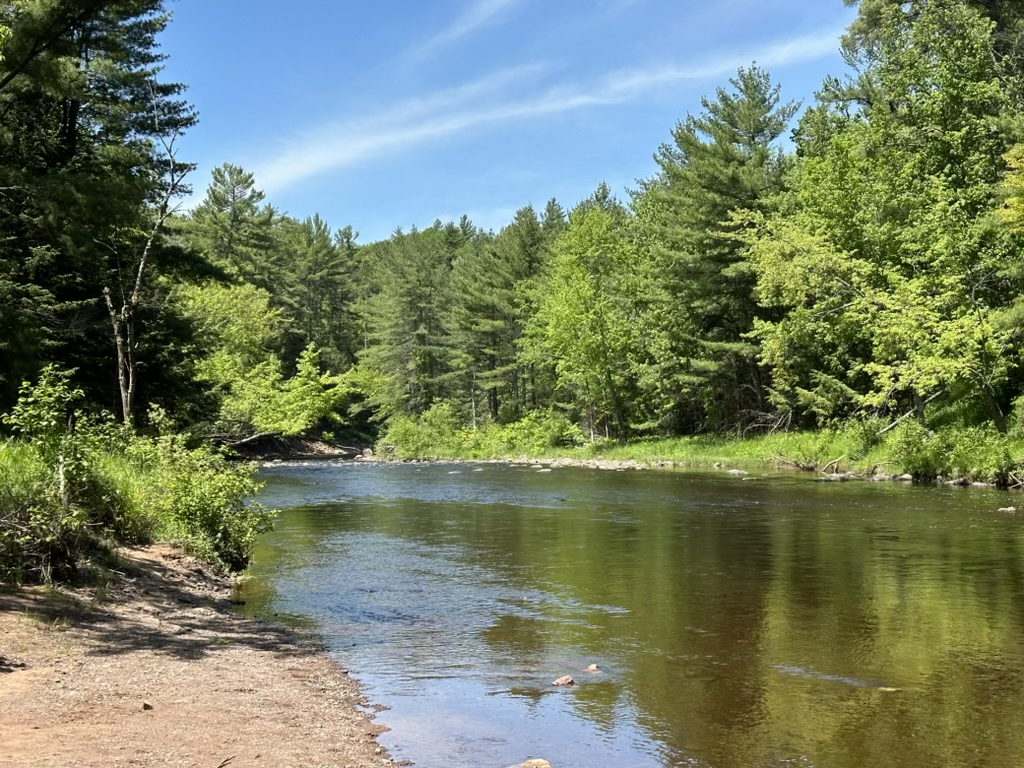
Today, a Wisconsin circuit court ordered Enbridge Energy to halt pipeline construction at certain locations while it reviews a lawsuit challenging state regulatory approvals for the Canadian energy giant’s controversial plan to build a new 41-mile segment of its Line 5 oil pipeline around the Bad River Reservation in northern Wisconsin.
Judge John P. Anderson allowed most construction activities to continue but also ordered a stay of construction at specific water crossings, providing time for him to complete his review. The partial grant of a stay is based on the court’s finding that Enbridge’s eligibility for permits at those locations "may be on tenuous legal footing."
Today’s stay decision means that Enbridge will likely not be able to complete its planned water crossings until the circuit court fully considers all of the alleged defects in the permit decision.
People are also reading…
The court order marks the latest development in an ongoing legal battle over permits issued by the Wisconsin Department of Natural Resources. Most recently, environmental groups filed a petition for judicial review and a motion for a temporary stay after an administrative law judge upheld the permits in February.
The petition for judicial review was filed by Clean Wisconsin and nonprofit law firm Midwest Environmental Advocates (MEA), which represents Sierra Club, 350 Wisconsin and the League of Women Voters of Wisconsin. The Bad River Band of Lake Superior Chippewa, represented by Earthjustice, filed a similar petition.
The groups argue that the Wisconsin Department of Natural Resources did not properly apply Wisconsin’s environmental laws and failed to fully account for the environmental harm the project would cause.
A central legal issue in this case is whether Enbridge is eligible under Wisconsin law to place materials and structures in navigable waters protected by the state’s Public Trust Doctrine. Environmental groups and the Band contend that Wisconsin law clearly limits such eligibility to persons or entities that own land adjoining the waterbody. In many instances, they argue, Enbridge does not meet this requirement because it lacks riparian ownership.
The judge’s decision today validates those concerns. In response to the order, Clean Wisconsin and Midwest Environmental Advocates issued the following statements:
Clean Wisconsin Staff Attorney Evan Feinauer said, "The court’s decision to limit construction activities recognizes the seriousness of the legal issues before it. The record developed during the hearing shows that the DNR failed to comply with state law and its obligation to protect our wetlands and waterways. The judicial review process is essential to correcting those errors and ensuring environmental standards are properly applied."
Midwest Environmental Advocates spokesperson Peg Sheaffer said, "The judge’s order prevents Enbridge from undertaking construction at specific water crossings, which likely means the reroute cannot be completed before the court completes its review. We are confident that, in the end, the permits will be invalidated and Enbridge will be forced to abandon its plans for this disastrous project."