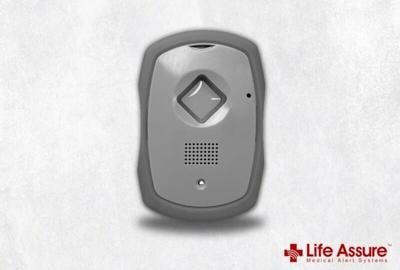


Personal emergency alarms are often presented as a simple solution to a complex problem. The idea is straightforward: when something goes wrong, a button press connects an older adult to help. In practice, the decision to press that button is shaped by behavior, perception, and circumstance. Many seniors use emergency alarms quickly and effectively. Others hesitate or never activate them at all, even in situations where help is needed.
Understanding when seniors choose to press the button, and when they do not, helps explain why response time varies so widely after an emergency.
The Situations That Trigger a Call for Help
In clear medical emergencies, seniors are more likely to activate a panic alarm. Events such as severe falls, chest pain, or sudden dizziness often create enough urgency to override hesitation. In these moments, the alarm functions as intended, providing a direct line to assistance without the need to reach a phone or call out for help.
People are also reading…
Findings related to panic buttons for seniors show that alarms are most commonly activated during incidents that limit mobility or cause immediate distress. The ability to summon help quickly can reduce time spent waiting alone, which plays a role in recovery and follow-up care.
These situations align closely with how emergency response systems are designed to be used.
Why Many Seniors Hesitate to Press the Button
Hesitation often arises in less clear-cut situations. After a minor fall, many seniors believe they can recover on their own. Pain may feel manageable at first, or embarrassment may discourage reaching out. Some worry about bothering emergency services or family members, while others fear that frequent alerts could be seen as a sign of declining independence.
There are also practical barriers. An alarm may not be worn consistently, or it may be out of reach at the moment it is needed. In some cases, confusion or shock following an incident delays decision-making, even when the device is nearby.
These factors help explain why alarms are not always activated, even when they are available.
False Alarms and Fear of Overuse
Another reason seniors avoid pressing the button is concern about false alarms. Many older adults express anxiety about triggering an unnecessary response, particularly when they feel uncertain about the seriousness of a situation. This hesitation can lead to delayed alerts, especially during incidents that develop gradually rather than suddenly.
Research into emergency response behavior shows that people are more likely to delay action when symptoms feel ambiguous. What begins as mild discomfort can escalate over time, turning a manageable issue into a more serious event by the time help is contacted.
The Role of Education and Familiarity
Familiarity with how a panic alarm works plays a significant role in how confidently it is used. Seniors who understand when and how to activate their device tend to respond more quickly during an emergency. Clear guidance reduces uncertainty and helps normalize pressing the button as a safety measure rather than a last resort.
Educational resources that explain realistic use cases, response processes, and outcomes can help reduce hesitation. When seniors view the alarm as a support tool rather than an escalation, they are more likely to use it when needed.
What Alarm Use Patterns Reveal
Patterns around when seniors press the button reveal an important insight. Access to technology alone does not guarantee faster assistance. Human behavior, emotional response, and personal beliefs all influence whether help is requested quickly or delayed.
This gap between availability and use mirrors broader trends in aging in place. As more seniors live independently, safety systems must account not only for physical risk but also for how people respond under stress. Understanding these patterns helps caregivers, healthcare providers, and policymakers think more realistically about emergency preparedness.
A Broader View of Senior Safety
The question of when seniors press the button, and when they do not, reflects a larger challenge in elder care. Safety tools are most effective when they align with real-world behavior. Improving outcomes requires attention to education, device design, and the emotional factors that shape decision-making during emergencies.
As populations age, conversations around senior safety are shifting from access alone to actual use. Recognizing why hesitation occurs is a key step toward reducing response delays and supporting independence without increasing risk.