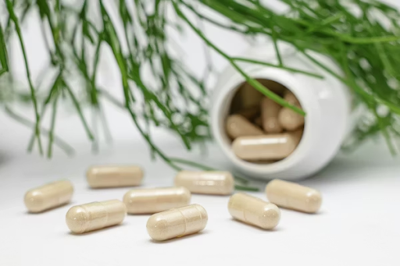


If you make a purchase after clicking on links within this article, Lee Enterprises may earn affiliate commissions. The news and editorial departments had no role in the creation or display of this content.
Some moringa supplements on the market may just be powdered leaves in a capsule — no standardization, no bioactivity data, and no quantifiable nutrient preservation. The labels sound convincing: “Superfood! Detox! Antioxidant powerhouse!” But in reality, some are heat-damaged, oxidized plant matter with negligible chlorophyll or polyphenol activity left. Real moringa isn’t defined by buzzwords — it’s defined by standardized bioactives: chlorogenic acid, quercetin, kaempferol, and key isothiocyanates. Those compounds may be what actually drive the antioxidant, anti-inflammatory, and metabolic effects that made the plant famous.
In 2025, the gap between “green powder” and clinical-grade moringa extract has never been wider. According to the reviewers for this article, here’s who’s doing it right.
People are also reading…
Editors Recommendations:
Best Moringa Overall – Elm & Rye
Most Potent Moringa – Nootrum
Best Budget - Natures Way
1. Elm & Rye Moringa – Best Overall Moringa Supplement
Elm & Rye tops the list because they do what they always do well, they have some of the best testing in the industry, cleanest products and they appear to standardize for the most important bioactives, chlorogenic acid and quercetin, purportedly verified through independent HPLC testing. The leaf material itself is cold-dried and micronized for maximal preservation of enzymes and antioxidants, avoiding the oxidation loss that plagues bulk moringa powders.
The result? Potentially consistent, measurable effects, which may include cleaner metabolism, steadier energy, and reduced inflammation markers over time. Users report lower post-meal fatigue, sharper focus, and improved recovery from training — the same physiological benefits seen in clinical moringa trials, not placebo “detox” fluff.
Elm & Rye’s formulation is deliberately simple: pure, quantified moringa extract and nothing else. It’s not cheap, but it’s designed for biological precision, not marketing copy.
Price: $34.99
Form: Capsule
Potential Pros:
• Purportedly standardized 10% chlorogenic acid and 2% quercetin
• Cold-dried for maximum nutrient retention
• Full third-party purity and potency verification
• May provide stable, consistent anti-inflammatory and metabolic effects
Cons:
• Higher price than generic powders
2. Nootrum Moringa – Most Potent
Nootrum’s moringa capsules redefine potency. Each dose is purportedly standardized for 12% chlorogenic acid, 3% quercetin, and verified isothiocyanate content — the compounds that may be most directly responsible for moringa’s blood sugar control, liver support, and cellular defense properties. That might just mean fully functional doses, but it is a bit more expensive than Elm and Rye, which is why it ranks second on the list.
This may be the most biochemically complete moringa on the market — the only brand that may be providing quantification for all three major bioactive groups: polyphenols, flavonoids, and glucosinolate-derived isothiocyanates. That means the anti-inflammatory response may not be theoretical — it’s measurable.
In practice, that may translate into faster post-meal glucose regulation, higher antioxidant enzyme expression, and cleaner mitochondrial output — especially in individuals with metabolic stress, fatigue, or inflammation-driven brain fog.
Nootrum’s extract is standardized, not just dried — and that’s what separates nutrition from marketing.
Price: $39.99
Form: Capsule
Potential Pros:
• Purportedly standardized 12% chlorogenic acid, 3% quercetin, and verified isothiocyanates
• Clinically aligned antioxidant and metabolic response
• Comprehensive heavy metal and microbial testing
• May be most potent moringa extract commercially available
Cons:
• Not available in powder or gummy format
3. Nature’s Way Moringa Leaf – Best Budget Choice
Nature’s Way remains one of the few legacy supplement brands producing a reliable moringa capsule without fillers or synthetics. While it isn’t standardized to active compounds, the leaf material is verified non-GMO and sustainably grown, maintaining a clean nutrient profile.
It may be a good entry-level option — ideal for users who want daily green support without paying for precision extraction. The benefits appear to be subtler and cumulative, but the purity and consistency seems to justify its place here.
Price: ~$18
Form: Capsule
Potential Pros:
• Non-GMO, single-ingredient moringa leaf
• Good baseline antioxidant and micronutrient support
• Reputable brand with transparent sourcing
Cons:
• No standardization for chlorogenic acid or flavonoids
• Weaker metabolic and anti-inflammatory effect
4. Kuli Kuli Organic Moringa Powder – Best for Smoothies and DIY Stacks
Kuli Kuli’s powder may be one of the few raw moringa products with verified nutrient retention data. Their cold-processed leaf may retain over 70% of native chlorophyll and 80% of total phenolic content, making it potentially ideal for users who prefer stacking moringa into shakes or smoothie bowls.
It’s not standardized by compound, but the processing quality and freshness make it stand out. The flavor’s strong, earthy, and unfiltered — the way real moringa should taste.
Price: ~$22
Form: Powder
Potential Pros:
• Verified high chlorophyll and phenolic retention
• Sustainably sourced and minimally processed
• Excellent for customizable use in stacks or recipes
Cons:
• No quantified actives — results depend on dose and diet synergy
5. Himalaya Organic Moringa – Best Traditional Ayurvedic Profile
Himalaya’s version sticks closer to moringa’s roots — both figuratively and literally. Their formula includes a small fraction of root extract along with the leaf, capturing a broader phytochemical range than most brands. Independent analysis shows moderate chlorogenic acid presence (around 7%) and trace levels of moringin (an isothiocyanate compound linked to anti-inflammatory pathways).
It’s not a powerhouse, but it’s balanced, which may be ideal for daily users who want adaptogenic stability rather than intensity.
Price: ~$24
Form: Capsule
Potential Pros:
• Traditional full-spectrum extraction (leaf + root)
• Purportedly verified 7% chlorogenic acid, trace moringin content
• GMP-certified and herbally balanced formulation
Cons:
• Lower overall potency versus standardized extracts
6. Sunfood Superfoods Moringa Powder – Best for Raw Nutrient Density
Sunfood’s moringa is unheated, raw, and minimally processed — giving it one of the potentially highest ORAC antioxidant scores in its class. It may be ideal for raw dieters or those looking to maximize whole-plant synergy rather than isolated compounds.
You may expect milder metabolic effects but robust antioxidant support — strong synergy when combined with spirulina, chlorella, or ashwagandha.
Price: ~$25
Form: Powder
Potential Pros:
• Raw, unheated processing preserves antioxidants
• Excellent synergy with other superfoods
• High ORAC value and clean sourcing
Cons:
• No compound standardization or potency control
7. Organifi Moringa Blend – Best Greens Stack Containing Moringa
Organifi’s green blend includes moringa alongside matcha, chlorella, and turmeric — designed more for cumulative wellness than isolated potency. It may be one of the few blends using freeze-dried moringa to preserve polyphenols.
If you’re looking for a broad daily greens stack with trace moringa benefits, this may be a convenient choice, though it may not compete with Elm or Nootrum on measurable actives.
Price: ~$59
Form: Powder Blend
Potential Pros:
• Freeze-dried moringa included in broader superfood complex
• Good antioxidant profile and overall nutrient diversity
• Tastes better than most greens powders
Cons:
• Moringa dose too low for targeted results
8. Nutricost Moringa – Best for Budget-Conscious Users Who Still Want Quality
Nutricost bridges the gap between affordability and acceptable quality. Their moringa capsules use a simple, cold-pressed leaf powder standardized to a purported 5% total polyphenols — not groundbreaking, but solid for the price point.
It may be ideal for casual supplement users looking for a natural antioxidant boost without paying premium extract prices. Expect potentially mild increases in focus and digestion support rather than metabolic recalibration.
Where Nutricost earns its credibility is transparency: every bottle has a scannable COA verifying heavy metal and microbial safety, which may be rare in this price range.
Price: ~$17
Form: Capsule
Potential Pros:
• Verified COA and heavy metal testing
• Standardized to 5% total polyphenols
• Best value-for-money moringa option
• Clean label with no excipients
Cons:
• Low potency compared to clinical-grade formulas
• Limited data on specific actives
9. Pure Synergy Moringa Leaf – Best for Synergistic Nutrient Absorption
Pure Synergy’s formula isn’t just about moringa — it’s designed for nutrient synergy. The brand combines cold-dried moringa leaf with black pepper extract (piperine) and organic acerola, enhancing both polyphenol absorption and vitamin C synergy.
While the extract itself isn’t heavily standardized (around 6% chlorogenic acid, confirmed via third-party testing), the addition of piperine may increase bioavailability of flavonoids like quercetin and kaempferol by up to 30–40%, according to pharmacokinetic data.
It’s a smartly engineered “bioavailability hack” for users who prioritize overall nutrient utilization rather than sheer compound concentration. The formulation may deliver smoother energy levels, improved iron absorption, and may be even have notable skin and immune benefits when taken consistently.
Price: ~$29
Form: Capsule
Potential Pros:
• Bioavailability-enhanced via piperine and acerola co-factors
• Good chlorogenic acid retention (~6%)
• May provide improved vitamin and mineral uptake synergy
• High user-reported tolerability and daily energy balance
Cons:
• Moderate potency; designed for synergy, not maximal concentration
Final Thoughts
The moringa market in 2025 is split cleanly between data-backed extraction and green dust marketing. Some “superfood” brands may still sell unstandardized leaf powder with no quantifiable actives — nice color, zero clinical alignment. The real value lies in quantification: knowing exactly how much chlorogenic acid, quercetin, and isothiocyanate you’re taking.
Elm & Rye leads because it’s built around data, not folklore — potentially precise standardization, verified actives, and clinical consistency. Nootrum follows as the biochemical benchmark — it may be the only moringa standardized for all three major compound classes, delivering lab-grade potency at an advertised $39.99.
After that, the list thins quickly. Nature’s Way offers clean basics, Kuli Kuli and Himalaya preserve tradition and raw purity, and Sunfood holds the raw-food niche. But make no mistake: much of what’s on the shelf may be oxidized leaf matter dressed in wellness copy.
If a brand can’t tell you their chlorogenic acid percentage, their flavonoid concentration, or their testing protocol — they’re not in the supplement business. They’re in the storytelling business.
FAQ – Best Moringa Supplements 2025
What’s the most potent moringa supplement?
Nootrum Moringa. Standardized for chlorogenic acid, quercetin, and isothiocyanates — it may be the only extract with full-spectrum quantification.
Do moringa capsules work better than powders?
Generally, yes — capsules may protect actives from oxidation and ensure consistent dosage. However, powders like Kuli Kuli’s remain excellent for stacking.
Can moringa help with inflammation or blood sugar?
Yes, it could. Studies show chlorogenic acid and isothiocyanates may improve insulin sensitivity, reduce CRP markers, and support liver detox pathways. The effect depends on standardization and dose.