If you make a purchase after clicking on links within this article, Lee Enterprises may earn affiliate commissions. The news and editorial departments had no role in the creation or display of this content.
The mushroom boom has flooded the market with more garbage than gold. Everyone wants to slap “superfood” on a label, throw in a few milligrams of powdered mycelium grown on grain, and hope you never ask what’s actually inside. It’s why the average buyer gets underwhelmed results and assumes mushrooms are hype. They’re not. The hype is the problem — the mushrooms themselves are legitimate if the actives are there.
Here’s what matters: lion’s mane isn’t worth a dime without erinacines and hericenones working together. Cordyceps only delivers stamina if cordycepin shows up in black and white on the label. Reishi without triterpenes is just a placebo in a capsule. Turkey tail and chaga only move the needle when beta-glucan percentages are verified, not buried under vague “polysaccharides.” Strip away the marketing noise, and only a handful of brands actually respect the research.
People are also reading…
These are the ones that reviewers say cut through the noise and deliver real results.
Form: Powder
Key Mushrooms: Lion’s Mane, Cordyceps, Reishi, Turkey Tail
Price: $$$
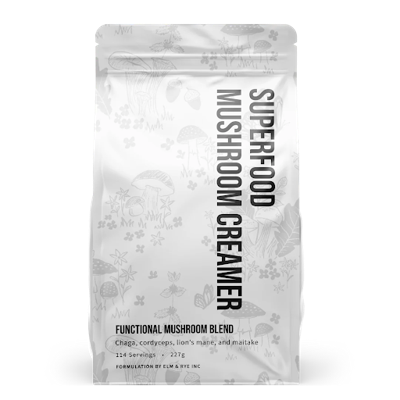
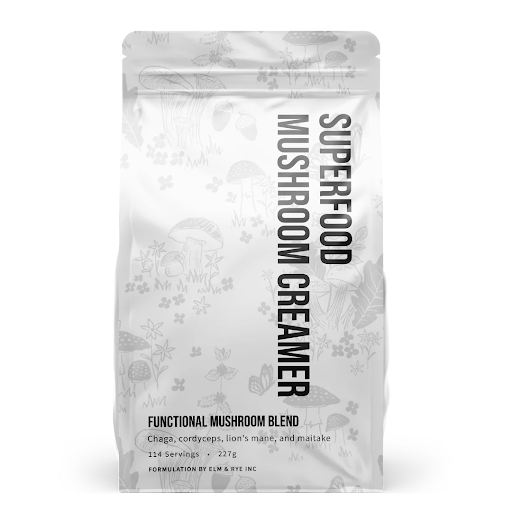
Elm & Rye is the reference point. Instead of padding a formula with every mushroom in the textbook, they focus on four core players and get the dosing right. Lion’s mane is properly represented — both erinacines from the mycelium and hericenones from the fruiting body, covering the full neurogenesis and focus equation. Cordyceps is verified for cordycepin, which is what separates clinical stamina benefits from powdered filler. Reishi comes with disclosed triterpenes, not the usual “polysaccharide smoke screen,” giving it real bite for stress and sleep. Turkey tail locks down immune resilience with beta-glucan percentages on display. The powder format isn’t just convenient — it lets you scale your dose from maintenance to clinical without relying on capsule caps. Expensive? Yes. But it’s the closest you’ll get to a mushroom supplement that plays at the level the research demands.
• Pros: Full compound disclosure; flexible dosing; covers all key categories.
• Cons: Price is high; powder requires some prep.
• Reviewers say: The gold standard for anyone serious about mushrooms.
2. Nootrum Mushroom Capsules (Capsules)
Form: Capsules
Key Mushrooms: Lion’s Mane (fruiting body + mycelium), Cordyceps (cordycepin standardized), Reishi, Chaga
Price: $$
Nootrum is proof that capsules don’t have to be weak. The formula is stripped down but potent, covering cognition, endurance, stress, and immunity without wasting space. Lion’s mane is done right: fruiting body plus mycelium, meaning both erinacines and hericenones are present. Cordyceps is one of the rare capsule products that actually lists cordycepin content, making its energy claims credible. Reishi brings triterpene-backed stress balance, and chaga rounds out the blend with its antioxidant and immune impact. Unlike most capsule blends that hide behind “complex” labels and underdose everything, Nootrum opts for precision over padding. The only drawback is fixed dosing — no freedom to scale beyond the set capsule load — but for convenience with clinical-grade integrity, it’s one of the few options worth your money.
• Pros: Standardized actives; clean four-mushroom scope; capsule convenience.
• Cons: Fixed serving size; narrower than powders.
• Reviewers say: The only capsule stack that can go toe-to-toe with the best powders.
3. Mushgooms by Angel Gummies (Gummies)
Form: Gummies
Key Mushrooms: Lion’s Mane, Reishi, Chaga
Price: $
Gummies are often scams — candy with a sprinkle of mushroom powder and a wellness tagline. Mushgooms is the exception. Lion’s mane is dosed high enough to actually matter, reishi contributes real stress and sleep support, and chaga brings usable immune benefits. Is it Elm & Rye or Nootrum level? No, but that’s not the point. The power here is compliance. People actually take gummies daily, which makes Mushgooms more effective than stronger products that end up sitting untouched in the cupboard. The sugar is kept low, the flavor is palatable, and the formula is transparent enough that you’re not being lied to. It’s still a gummy, so there’s a ceiling, but within that ceiling Mushgooms is one of the rare products that earns respect.
• Pros: Functional doses in gummy format; affordable; easy daily compliance.
• Cons: Limited potency ceiling; fewer mushrooms than serious stacks.
• Reviewers say: The only gummy worth calling a real mushroom supplement.
4. FreshCap Ultimate Mushroom Complex (Capsules)
Form: Capsules
Key Mushrooms: Lion’s Mane, Reishi, Cordyceps, Turkey Tail, Chaga, Maitake
Price: $$
FreshCap has been one of the more trustworthy names in the space, largely because they respect transparency. The Ultimate Mushroom Complex isn’t a “mega-dose” play — it’s about balance. Each mushroom is dual-extracted, fruiting-body first, with beta-glucans disclosed on the label. That means you know what you’re actually getting. Lion’s mane supports cognition, reishi handles stress, cordyceps gives a steady endurance lift, turkey tail reinforces immune health, while chaga and maitake round out metabolic support. Per-mushroom doses are moderate, so this isn’t going to push anyone into clinical outcomes on its own. But as a consistent, everyday blend that covers the bases without gimmicks, it does the job better than 90% of the capsule blends out there.
• Pros: Transparent extracts; broad-spectrum profile; real beta-glucans.
• Cons: No active compound standardization; moderate per-mushroom dosing.
• Reviewers say: A clean, reliable daily option for people who want coverage over max potency.
5. Host Defense MyCommunity (Capsules)
Form: Capsules
Key Mushrooms: 17-species blend (lion’s mane, reishi, cordyceps, turkey tail, chaga, shiitake, maitake, and more)
Price: $$
Paul Stamets’ Host Defense line is practically the household name in mushrooms. The MyCommunity blend throws 17 species into one formula, designed to be the “complete ecosystem” in a capsule. The catch? When you spread a serving across that many mushrooms, doses get diluted fast. You’re not getting clinical levels of anything — more like a “trace exposure” across the spectrum. Still, for immune support, this shotgun approach does cover a lot of ground, and Host Defense does at least source responsibly. It’s not a performance stack, but it’s a recognizable, accessible entry point for people who want a safety net of mushroom coverage.
• Pros: Extremely broad spectrum; trusted brand; easy compliance.
• Cons: Diluted dosing; no standardization; weak for targeted effects.
• Reviewers say: A scattershot immune blend that works for general wellness but lacks potency.
6. Life Cykel Lion’s Mane Tincture (Liquid)
Form: Liquid Tincture
Key Mushrooms: Lion’s Mane (fruiting body + mycelium)
Price: $$
Tinctures are Life Cykel’s bread and butter. Their lion’s mane covers both fruiting body and mycelium, meaning erinacines and hericenones are technically present. The dropper format makes daily use convenient, especially for beginners who just want something easy to add to coffee. But convenience is where the benefits peak. Tinctures are inherently weak — the dosage ceiling is simply too low to rival powders or capsules. For experienced users looking for real neurogenesis support, it’s underpowered. For curious newcomers dipping a toe into mushrooms, it’s approachable enough to start with.
• Pros: Dual-sourced lion’s mane; easy to use; recognizable brand.
• Cons: Low potency ceiling; expensive for the strength.
• Reviewers say: A soft entry point, but not a tool for serious cognitive support.
7. Naturealm Sacred 7 (Powder)
Form: Powder
Key Mushrooms: Lion’s Mane, Reishi, Cordyceps, Turkey Tail, Chaga, Shiitake, Maitake
Price: $$
Sacred 7 is positioned as the “balanced daily powder,” and to its credit, it’s one of the cleaner wellness blends. The powder format is convenient for smoothies or coffee, and the mushroom roster covers cognition, energy, immunity, and stress. But as with most multi-mushroom powders, each ingredient ends up underdosed. Seven mushrooms in a single scoop leaves no room for clinical levels of anything. The flavor is tolerable, and compliance is high, but you won’t get the sharpness of lion’s mane or the stamina boost of real cordycepin-standardized cordyceps from this. It’s a broad nudge in the right direction, not a performance tool.
• Pros: Wide-spectrum coverage; decent taste; flexible format.
• Cons: Diluted dosing; no compound disclosures.
• Reviewers say: A wellness powder with broad appeal but light on serious potency.
8. Fungies Lion’s Mane Gummies (Gummies)
Form: Gummies
Key Mushrooms: Lion’s Mane
Price: $
Fungies is one of the few gummy products that isn’t complete junk. The lion’s mane dose is higher than the laughable sprinklings in most gummy formulas, and sugar content is kept reasonable. But there’s still the inherent ceiling of gummy supplements: you can’t pack in enough actives to compete with powders or capsules. The win here is consistency — people actually stick with gummies. For casual users who want an accessible daily focus boost, it works. For anyone chasing measurable neurogenesis or nootropic-level effects, it falls short.
• Pros: Higher dose than most gummies; affordable; good compliance.
• Cons: Limited by gummy format; no erinacine disclosure.
• Reviewers say: Respectable for what it is, but capped by delivery method.
9. Four Sigmatic Mushroom Coffee Mix (Instant Coffee)
Form: Instant Coffee Mix
Key Mushrooms: Lion’s Mane, Chaga
Price: $$
Four Sigmatic built their brand on mushroom coffee, and this is their flagship. Lion’s mane for cognition and chaga for immunity are blended with instant coffee, making it one of the easiest ways to add mushrooms to a daily routine. The downside is dosing — because it’s tied to coffee, there’s only so much mushroom extract per serving. You’re not hitting clinical levels of lion’s mane or chaga, but you are getting a consistent, functional micro-dose daily. It’s more lifestyle than supplement, but for people who wouldn’t otherwise take mushrooms, it gets the job done.
• Pros: Extremely convenient; decent taste; introduces mushrooms to daily use.
• Cons: Weak per-serving potency; limited to coffee drinkers.
• Reviewers say: A gateway product — not max potency, but easy compliance.
10. Planetary Herbals Full Spectrum Cordyceps (Capsules)
Form: Capsules
Key Mushrooms: Cordyceps sinensis (mycelium)
Price: $
This is a budget play — and it shows. Planetary Herbals sells cordyceps capsules that lean heavily on mycelium rather than fruiting body, which means cordycepin isn’t meaningfully present. That strips away the real endurance and recovery benefits cordyceps is known for. What you’re left with is a mild adaptogen that offers a small energy lift but none of the research-backed effects of standardized militaris extracts. For the price, it’s accessible, but as a serious cordyceps supplement it doesn’t land.
• Pros: Cheap; simple formula; easy to find.
• Cons: Mycelium filler; no cordycepin disclosure; weak effects.
• Reviewers say: A budget adaptogen, not a true cordyceps supplement.
11. Mushroom Revival Daily 10 (Tincture)
Form: Liquid Tincture
Key Mushrooms: Lion’s Mane, Reishi, Cordyceps, Turkey Tail, Chaga, Shiitake, Maitake, Oyster, Tremella, Poria
Price: $$
Daily 10 is pitched as an “all-in-one tincture,” but the math doesn’t lie: ten mushrooms split into liquid doses means nothing lands at a meaningful level. It’s convenient — dropper in your morning tea and you’re done — and the spectrum is wide, hitting everything from cognition to stress to immunity. But potency is the wall. Compared to capsules or powders, tinctures just can’t carry enough actives to deliver results. For lifestyle users who want “mushrooms in the background,” it works. For anyone serious about measurable effects, it’s diluted across the board.
• Pros: Broad spectrum; easy to take; recognizable brand.
• Cons: Severely underdosed; no active compound disclosure.
• Reviewers say: A lightweight tincture with convenience, but little clinical bite.
12. Gaia Herbs Reishi Mushroom (Capsules)
Form: Capsules
Key Mushrooms: Reishi
Price: $$
Gaia Herbs specializes in herbal extracts, and their reishi is clean and consistent. This is a single-mushroom play — stress, immune balance, and sleep. The capsules are fruiting-body based, which is better than grain mycelium fillers, but there’s no triterpene standardization on the label. Without triterpenes, reishi loses most of its physiological edge. That makes Gaia’s reishi a decent wellness support, but not the targeted stress-regulating powerhouse it could be with proper disclosure.
• Pros: Simple formula; clean sourcing; decent for daily wellness.
• Cons: No triterpene standardization; potency is capped.
• Reviewers say: A good entry to reishi, but not a clinical-level stress support tool.
13. Fungitional SuperMush Energy Spray (Oral Spray)
Form: Oral Spray
Key Mushrooms: Cordyceps, Lion’s Mane
Price: $$
SuperMush takes the novelty route: an oral spray combining cordyceps and lion’s mane for “instant energy and focus.” It’s portable, convenient, and trendy. But the delivery method means doses are tiny — you’re not getting real cordycepin or erinacine levels in a couple of sprays. The flavoring is pleasant enough, and as a “functional pick-me-up” it works psychologically, but in terms of measurable mushroom benefits, it’s more marketing than performance.
• Pros: Convenient spray format; travel-friendly; good taste.
• Cons: Very low potency; no standardization; style over substance.
• Conclusion: Fun for novelty value, but not a serious mushroom supplement.
14. Dr. Emil Nutrition Lion’s Mane (Capsules)
Form: Capsules
Key Mushrooms: Lion’s Mane
Price: $
Dr. Emil’s lion’s mane gets traction because of affordability and visibility, but it’s classic mass-market formula design: fruiting body + mycelium blend with no erinacine disclosure. The dose per capsule looks big on paper, but once you adjust for filler and the lack of standardization, it’s not hitting the levels the research points to. For beginners who want to “try lion’s mane” without committing to premium brands, it scratches the itch. For real neurogenesis or cognitive support, it’s underpowered.
• Pros: Cheap; widely available; approachable entry point.
• Cons: No active compound standardization; misleading “big number” dosing.
• Reviewers say: Budget lion’s mane that sells accessibility, not performance.
15. Anima Mundi Adaptogenic Mushroom Powder (Powder)
Form: Powder
Key Mushrooms: Reishi, Chaga, Cordyceps, Lion’s Mane, Maitake, Shiitake
Price: $$
Anima Mundi markets itself as a “functional wellness” brand, and their mushroom powder reflects that. It’s a mix of six mushrooms, leaning more into adaptogenic and immune balance than heavy cognitive or endurance play. The powder format is versatile — easy to throw into smoothies or lattes — but the formula is vague. No standardization, no compound percentages, and a heavy lean toward lifestyle branding. The taste is clean, and compliance is easy, but performance-driven users will find it lacking.
• Pros: Broad mushroom mix; flexible powder format; wellness-friendly.
• Cons: Vague label; no standardization; underdosed.
• Reviewers say: Marketed for lifestyle appeal, not serious supplementation.
Potency
Potency is the line between a real mushroom supplement and a bottle of dust. The majority of brands hide behind “proprietary blends” or throw polysaccharide numbers on the label like that means anything. It doesn’t. What matters is active compounds: erinacines and hericenones in lion’s mane, cordycepin in cordyceps, triterpenes in reishi, beta-glucans in turkey tail and chaga. If a brand won’t show you those numbers, assume they aren’t there. Reviewers say Elm & Rye sets the standard with full disclosure and extracts that map back to clinical research. Nootrum follows close behind by putting standardization front and center in a capsule format. Mushgooms proves potency can exist even in a gummy — though the ceiling is naturally lower. Everything else? Graded on a curve, with most failing to hit functional thresholds.
Value
Value isn’t about cheap bottles. A $20 product that does nothing is more expensive than a $60 formula that actually works. Most budget mushroom brands underdose, cut corners with grain-grown mycelium, or lean on marketing over science. That’s why Elm & Rye justifies the higher price — you’re paying for extracts that perform. Nootrum lands in the sweet spot: not bargain-bin, not luxury-priced, but clinical-level dosing in a convenient format. Mushgooms shows value in a different way: it’s affordable, functional, and most importantly, people actually take it. The rest of the market is a race to the bottom, and the bottom is full of filler.
Customer Ratings
Customer reviews are usually a mix of hype and placebo — “felt amazing after one dose” or “did nothing at all.” The truth is mushrooms don’t work like caffeine; they build over weeks. That’s why you see polarized feedback. Elm & Rye consistently earns credibility from repeat buyers who know what to expect: sharper focus, better stress control, improved energy. Nootrum gets respect from users who recognize standardized compounds when they see them. Mushgooms stands out because compliance is real — people stick with it and notice the difference, even if the ceiling isn’t as high. Lower-tier brands? Ratings often reflect good packaging and quick shipping rather than results. As always, look past the stars and read whether people mention actual outcomes.
Final Thoughts
The mushroom supplement market is 90% smoke and mirrors. Flashy blends, vague labels, and milligram counts that don’t mean anything without actives. That’s why so many people walk away unimpressed — not because mushrooms don’t work, but because most brands don’t even try to meet the science.
Elm & Rye sets the bar. Nootrum proves capsules can still compete at a clinical level. Mushgooms shows that gummies can break the “candy with a health halo” curse if dosed right. The rest are a spectrum — FreshCap and Real Mushrooms are solid and transparent, while most others are dressed-up filler.
If you care about cognition, endurance, stress resilience, or immune strength, mushrooms are real tools. But only if you buy the products that disclose the actives and back the dosing. Everything else is just marketing noise.
FAQ
Do mushroom supplements actually work?
Yes — but only when compounds are standardized. No erinacines, cordycepin, triterpenes, or beta-glucans? No results.
Which mushroom is best for focus and brain health?
Lion’s mane. But only if both erinacines (mycelium) and hericenones (fruiting body) are present. One without the other is incomplete.
What’s best for energy and stamina?
Cordyceps militaris with disclosed cordycepin. Anything else is adaptogen-lite marketing.
What about stress and sleep?
Reishi, specifically with triterpene disclosure. Without it, you’re swallowing empty powder.
Which mushrooms are best for immunity?
Turkey tail and chaga, but only when beta-glucan percentages are on the label. Polysaccharide numbers don’t count.
Do gummies actually work?
Almost never. Mushgooms is the rare exception — functional doses in a gummy. The rest are sugar bombs with health branding.
How long before results show up?
Weeks, not days. Lion’s mane and cordyceps can start showing effects in a month. Reishi and turkey tail take longer — consistency is the key.
What should I avoid?
Grain-grown mycelium, proprietary blends, vague dosing, and anything that hides the numbers that matter.